GuideAnti-aging range
Dark circles and puffy eyes: what causes them?
The eye area is one of the first things we notice in the mirror. Dark circles and puffiness are usually blamed on tiredness, but lack of sleep is not the only cause. In this guide we explain where the darkness and swelling under the eyes come from, what skincare can change, and how to build an eye-care routine.
Why is the eye area different?
The skin around the eyes is much thinner than on the rest of the face and has very few oil glands. It loses moisture faster, the blood vessels beneath it show through more easily, and because we blink thousands of times a day, fine lines appear here first. That is why the eye area deserves its own, suitable product.
What causes dark circles?
There is rarely a single cause; most people have a mix of these:
- Thin skin and blood vessels: As the skin gets thinner, the vessels beneath it show as a bluish-purple shadow. The tendency often runs in families and becomes more visible with age.
- Pigmentation: Especially in olive and darker skin tones, a brownish colour can appear under the eyes. Sunlight and frequent eye rubbing can deepen it.
- Shadow: With age, volume under the eyes decreases and the hollow that forms casts a dark shadow, depending on the light.
- Lack of sleep and tiredness: After short nights the skin looks paler, which makes the darkness under the eyes stand out.
What causes morning puffiness?
The loose tissue around the eyes holds fluid easily. Lying flat all night, salty food or alcohol in the evening, short or irregular sleep, crying and allergies can all make the under-eye area look swollen in the morning. This kind of puffiness usually eases during the day. Permanent bags caused by the fat under the eyes moving forward with age do not disappear with skincare; care can only soften their look.
What can skincare do?
Eye products do not "erase" dark circles or bags. Used regularly, the right ingredients help reduce the look of puffiness and darkness and make the eye area look more hydrated and firmer. Ingredients worth looking for:
- Caffeine: Helps reduce the look of puffiness and brightens the eye area; especially useful in the morning.
- Arnica: A plant ingredient known for its soothing properties; helps reduce the look of puffiness and dark circles.
- Niacinamide, glutathione and liquorice root: Support an even tone and help soften the look of darkness.
- Retinol and peptides: Support the skin's overnight renewal and collagen, and reduce the look of fine lines.
- Sun protection: SPF during the day helps keep pigmentation-related darkness from deepening.
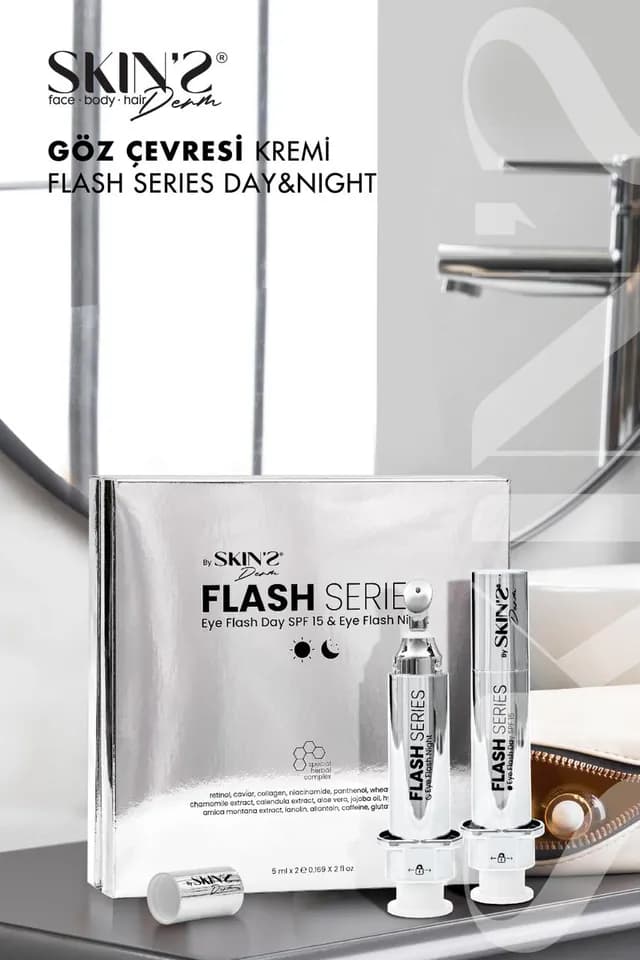
Eye Flash Day & Night splits these needs into day and night: the day cream protects the eye area with SPF 15, caffeine and 3% arnica and reduces the look of puffiness; the night cream supports renewal with retinol, caviar extract and peptides.
How should an eye-care routine look?
- Gentle cleansing: Remove eye make-up without rubbing: hold a damp cotton pad on the eye for a few seconds. Tugging tires the thin skin.
- Morning: On clean skin, take a rice-grain amount of the day cream and pat it in with your ring finger from under the eye towards the outer corner. Keep it off the lash line.
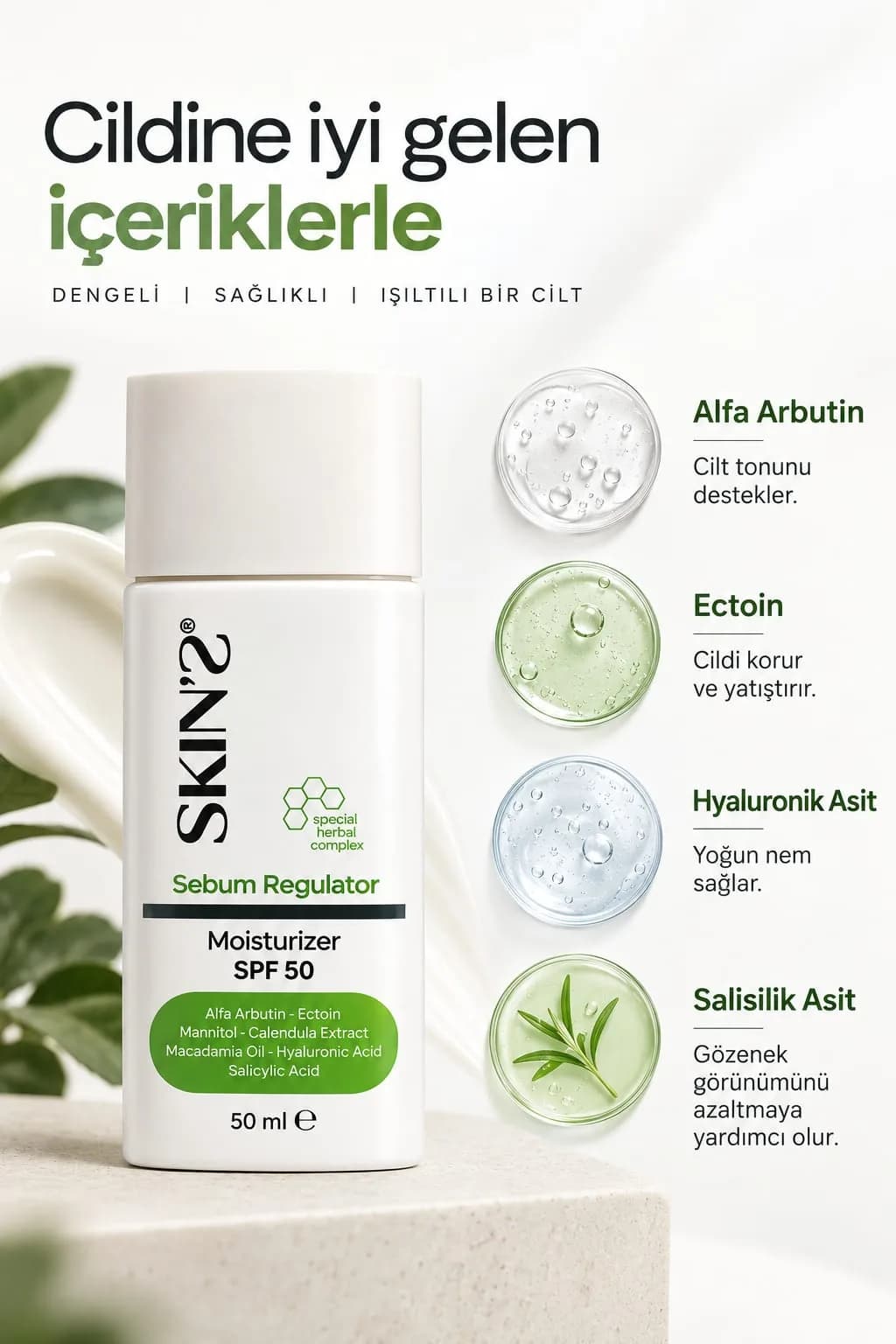
- Sunscreen: When you apply a sunscreen such as SPF 50 Anti-Age Cream to your face, do not skip the area near the eyes; sunglasses protect it too. We explain why it matters even in winter in our winter sunscreen article.
- Evening: After cleansing, apply a small amount of the night cream the same way.
Keeping the day cream somewhere cool makes it feel more refreshing in the morning. Give it at least 4–6 weeks of regular use to see results.
Daily habits for the eye area
- Get enough regular sleep; raising your head slightly with a pillow can reduce morning puffiness.
- Cut down on salt and alcohol in the evening and drink enough water during the day.
- Do not rub your eyes; if you have allergies, avoid your triggers.
- For morning puffiness, a few minutes with a clean, cold cloth helps.
- If you spend long hours at a screen, take breaks and rest your eyes.
If the rest of your face also looks dull or uneven, adding a vitamin C serum to your morning routine (keeping it away from the eye area) brightens the whole face; see our vitamin C guide. You will find all eye and anti-ageing products on the anti-ageing range page.
See a doctor if swelling appears suddenly, affects only one eye, comes with pain, itching, redness or changes in vision, or if dark circles become clearly worse within a short time.
Frequently asked questions
Do dark circles go away completely?
It depends on the cause. Darkness linked to lack of sleep or puffiness can improve with rest and care. Circles due to genetics and thin skin do not disappear completely, but regular care and sun protection can soften their look.
When do you apply eye cream?
After cleansing, before face serum and moisturiser. In the morning, sunscreen comes after the eye cream.
Is eye cream really necessary?
The skin around the eyes is thin and sensitive, so face creams can sting or feel heavy there. Eye products are formulated with textures and ingredients suited to this area.
Can you use retinol around the eyes?
Retinol products formulated for the eye area can be used. Start slowly, keep it off the lash line and never skip sun protection during the day. Ask your doctor before using retinol during pregnancy or breastfeeding.
How can I reduce morning eye puffiness?
A cold compress, an eye cream with caffeine and sleeping with your head slightly raised help reduce morning puffiness. Cutting down on salt and alcohol in the evening also makes a difference.
This article is for general information and is not medical advice. If you have a skin condition, persistent irritation or an allergy, see a dermatologist.