GuideSun range
Do you need sunscreen in winter?
When it gets cold and the sun stops burning, sunscreen is often the first step people drop from their routine. Yet some of the rays that age the skin and cause dark spots are almost as strong in winter. In this article we explain why you should keep using sunscreen in winter and how.
Why does the sun still matter in winter?
Two types of ultraviolet rays from the sun affect the skin. UVB causes sunburn and drops noticeably in winter, which is why we rarely feel burned. UVA reaches deeper layers of the skin, plays a major role in signs of ageing such as wrinkles, sagging and dark spots, and changes much less through the year. In short, not burning does not mean being protected.
Cloudy days and windows
Most UV rays pass through clouds, so they keep reaching the skin on an overcast winter day. Because UVA can also pass through glass, people who work by a window or drive for long hours are affected too.
Snow, altitude and skiing
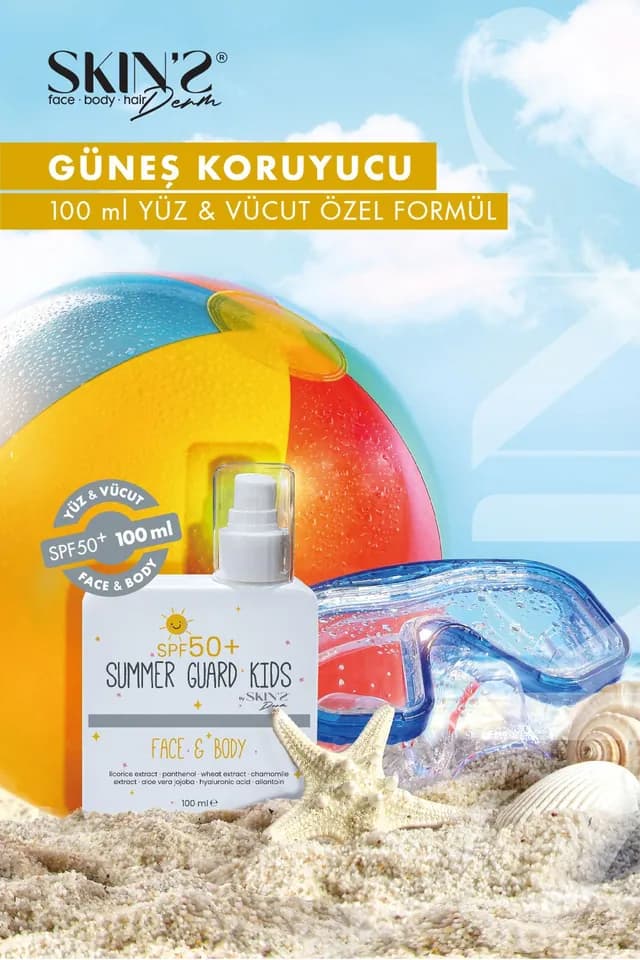
Fresh snow reflects most UV rays back, so the skin receives them from above and below. UV intensity also rises with altitude. At ski resorts the sun can be as strong as on a summer beach. For skiing and winter sports, SPF 50, frequent reapplication and lip protection are a must.
The right sunscreen for winter
Skin is drier and more sensitive in winter, so a sunscreen that also hydrates and cares for the skin makes things easier.
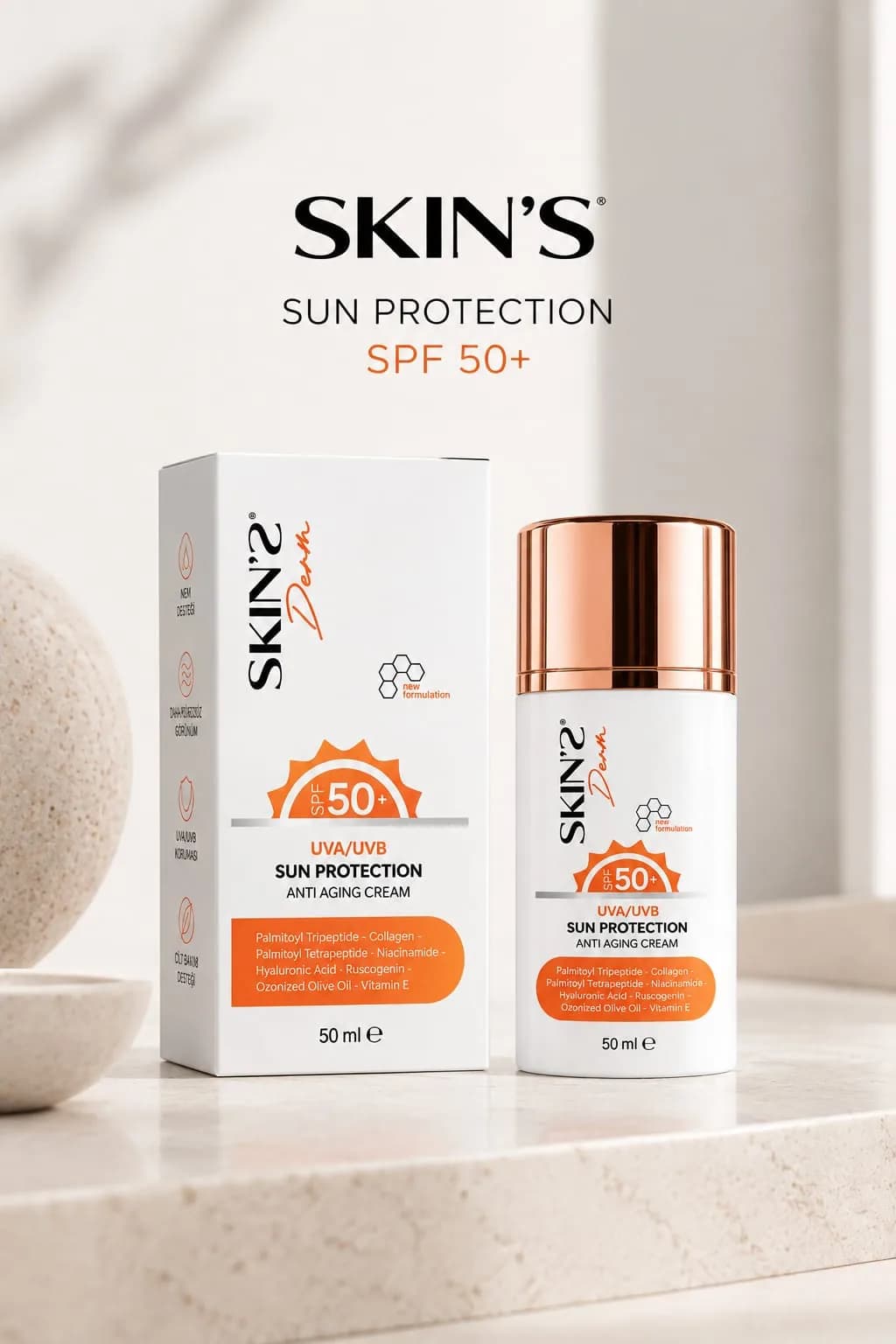
- Dry, mature or spot-prone skin: SPF 50 Anti-Age Cream combines protection with anti-ageing care, with peptides, niacinamide and hyaluronic acid.
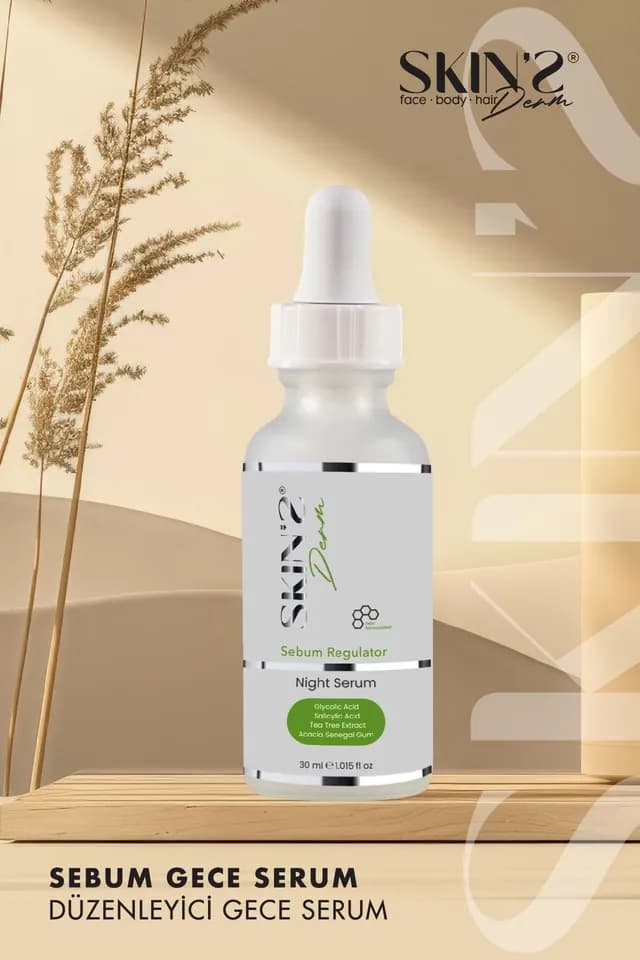
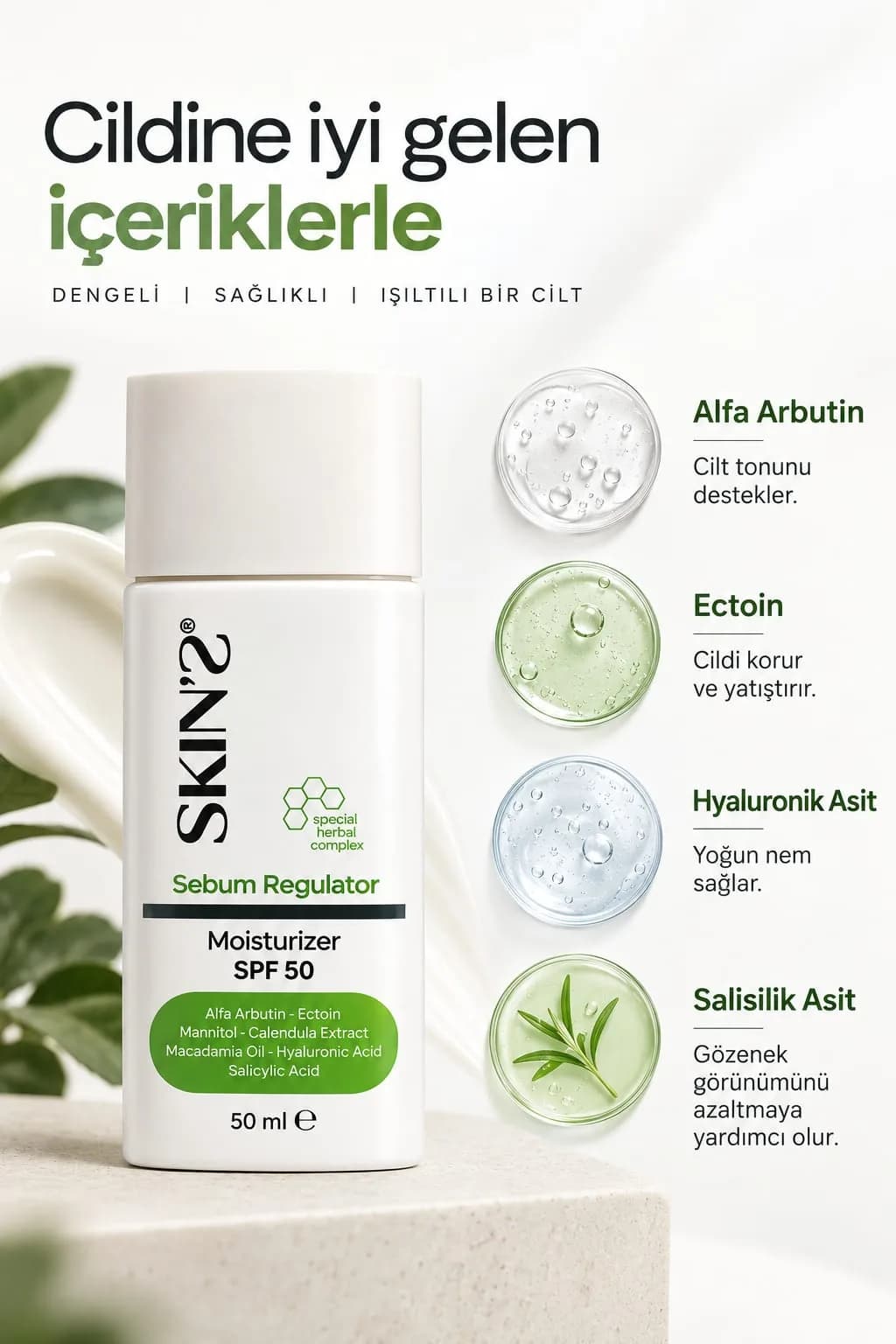
- Oily and acne-prone skin: Sebum Regulator Moisturizer SPF 50 combines moisturizer and sunscreen in one light step.
- If you want light coverage: Tinted BB Cream SPF 50+ evens out the tone and simplifies the foundation step.
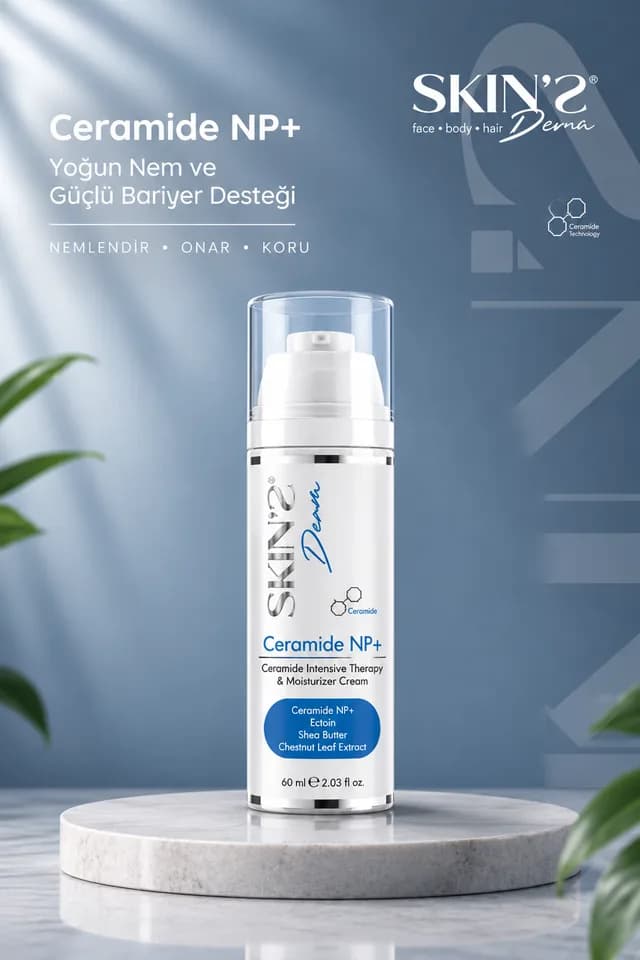
In winter too, apply sunscreen as the last step of your morning routine, after moisturizer. On dry skin, using a ceramide moisturizer first helps sunscreen spread more easily. You can find the full winter routine in our winter skincare guide.
How much and how often?
The protection on the label applies when you use enough product: about two finger lengths for the face and neck alone. If you are indoors all day, the sunscreen you applied in the morning is usually enough; if you are outdoors for long or on snow, reapply every 2 hours. We explain how to read SPF and UVA labels in our sunscreen guide.
If you use retinol, acids or vitamin C
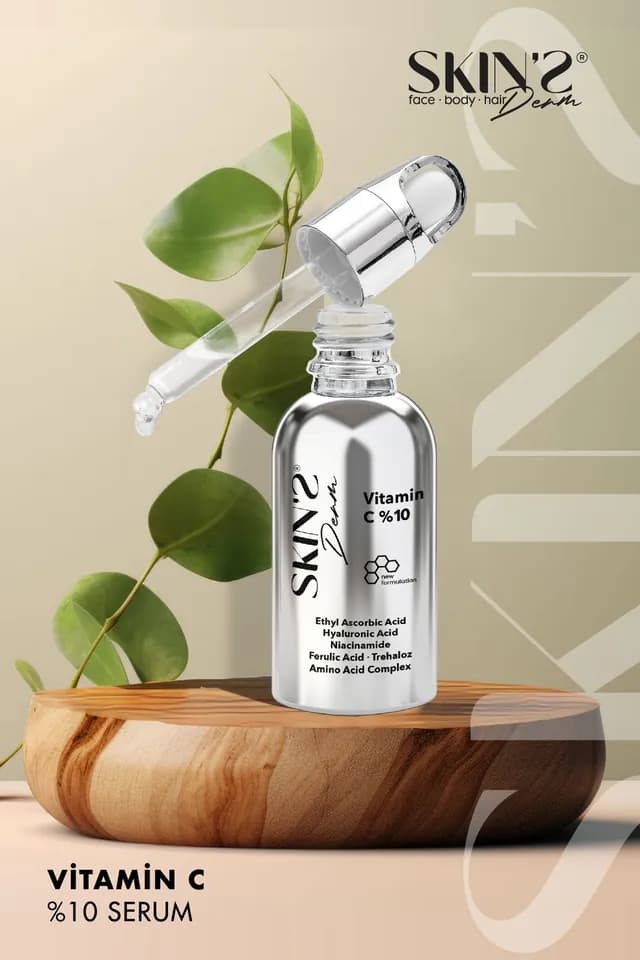
Retinol and acids such as AHA/BHA can make the skin more sensitive to the sun. If you want your care against dark spots and signs of ageing to pay off, use sunscreen every morning in winter too. You can find all options in the Sun protection range.
Frequently asked questions
Is SPF 30 enough in winter?
For short daily exposure in the city, SPF 30 may be enough. If you are prone to dark spots, use retinol or acids, or will spend time on snow or in the mountains, choose SPF 50.
Do you need sunscreen on cloudy days?
Yes. Most UV rays pass through clouds, and the UVA rays responsible for ageing are active in winter too.
Do I need sunscreen if I stay at home?
If you spend long hours by a window, it is useful, because UVA can pass through glass. If you are indoors away from windows, the need is lower.
When should I apply sunscreen if I wear makeup?
Sunscreen first, then makeup after a few minutes. A tinted sunscreen can combine the two steps.
This article is for general information and is not medical advice. If you have a skin condition, persistent irritation or an allergy, see a dermatologist.