A skincare routine for oily skin
The goal of caring for oily skin is not to strip away all the oil but to balance it. Harsh, drying products may give a short-lived matte finish, but they weaken the skin barrier and can make problems worse. In this guide we build a simple, sustainable morning and evening routine for oily and combination skin.
Why does skin get oily?
Sebum is a natural oil that protects the skin; the trouble starts when too much is produced. Genetics, hormones and hot, humid weather can all increase sebum production. When excess sebum mixes with dead skin cells and clogs pores, blackheads and breakouts follow.
A common mistake is trying to fix oiliness by drying the skin out. Skin that is washed many times a day with harsh cleansers or wiped with alcohol-based products gets irritated, loses moisture and can look more troubled. Oily skin needs hydration too.
Morning routine
- Cleanse. Use a gel cleanser with salicylic acid made for oily and combination skin, such as Sebum Regulator Face Cleansing Gel. Lukewarm water and a gentle massage are enough.
- Toner (optional). An alcohol-free toner with niacinamide helps balance tone: Serenity Toner.
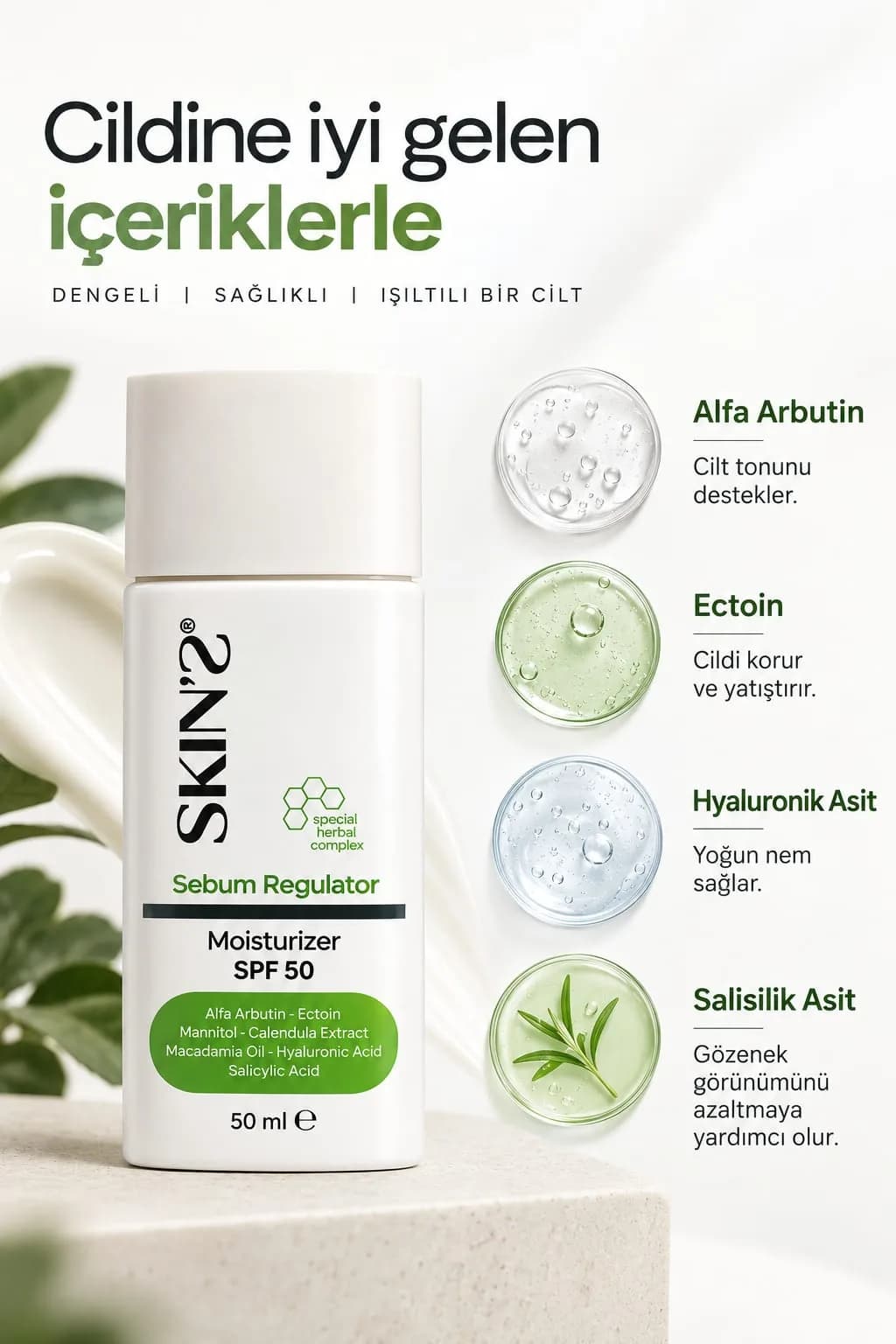
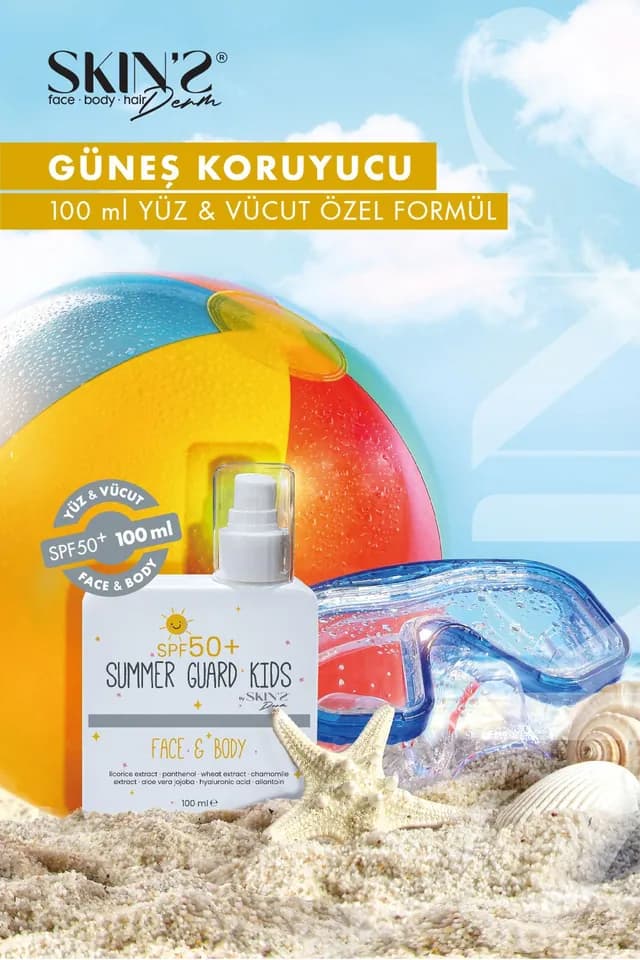
- Moisturiser + sunscreen. On oily skin, one light product that combines both is more comfortable than two separate layers. Sebum Regulator Moisturizer SPF 50 controls shine while giving high sun protection.
Evening routine
- Cleanse. Remove the oil, sunscreen and make-up from the day thoroughly. If you wore make-up, use a make-up remover first, then your gel cleanser.
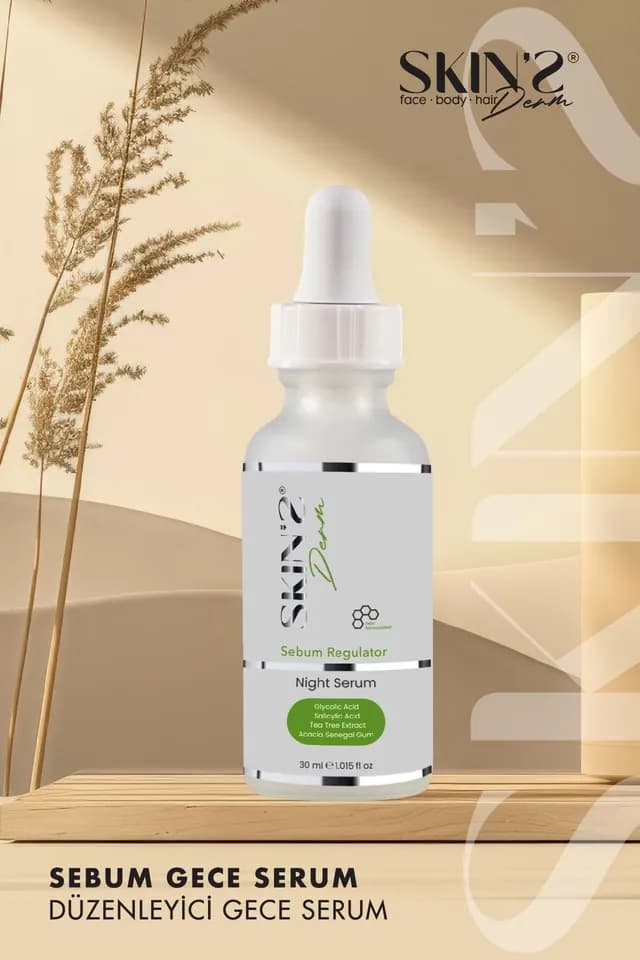
- Active serum. Night is the best time to work on pores and oil balance. Sebum Regulator Night Serum delivers glycolic and salicylic acid with controlled-release technology, keeping the acids effective while lowering the risk of irritation.
- Moisturiser. A light, oil-free cream keeps the skin balanced: Sebum Regulator Moisturizing Cream.
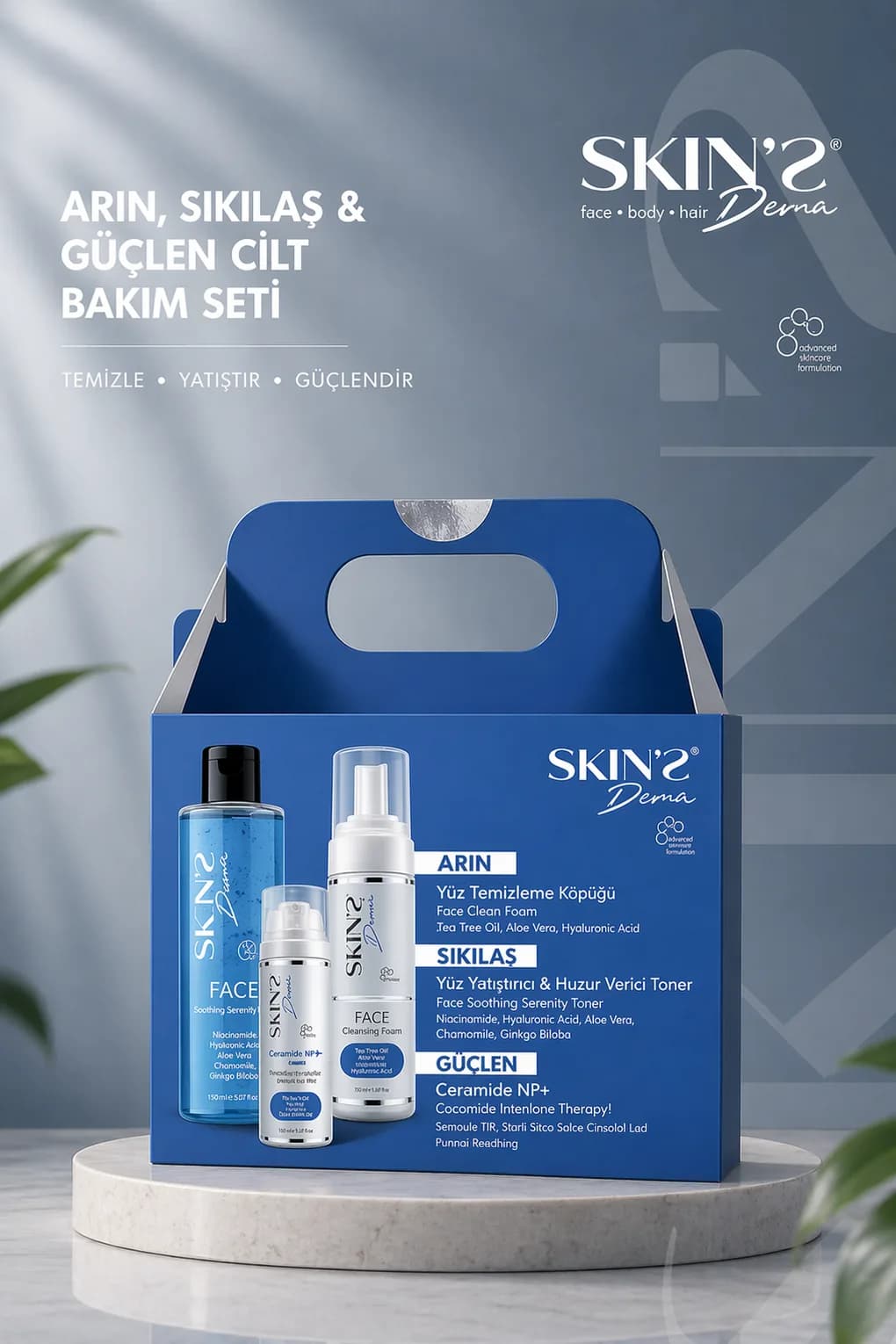
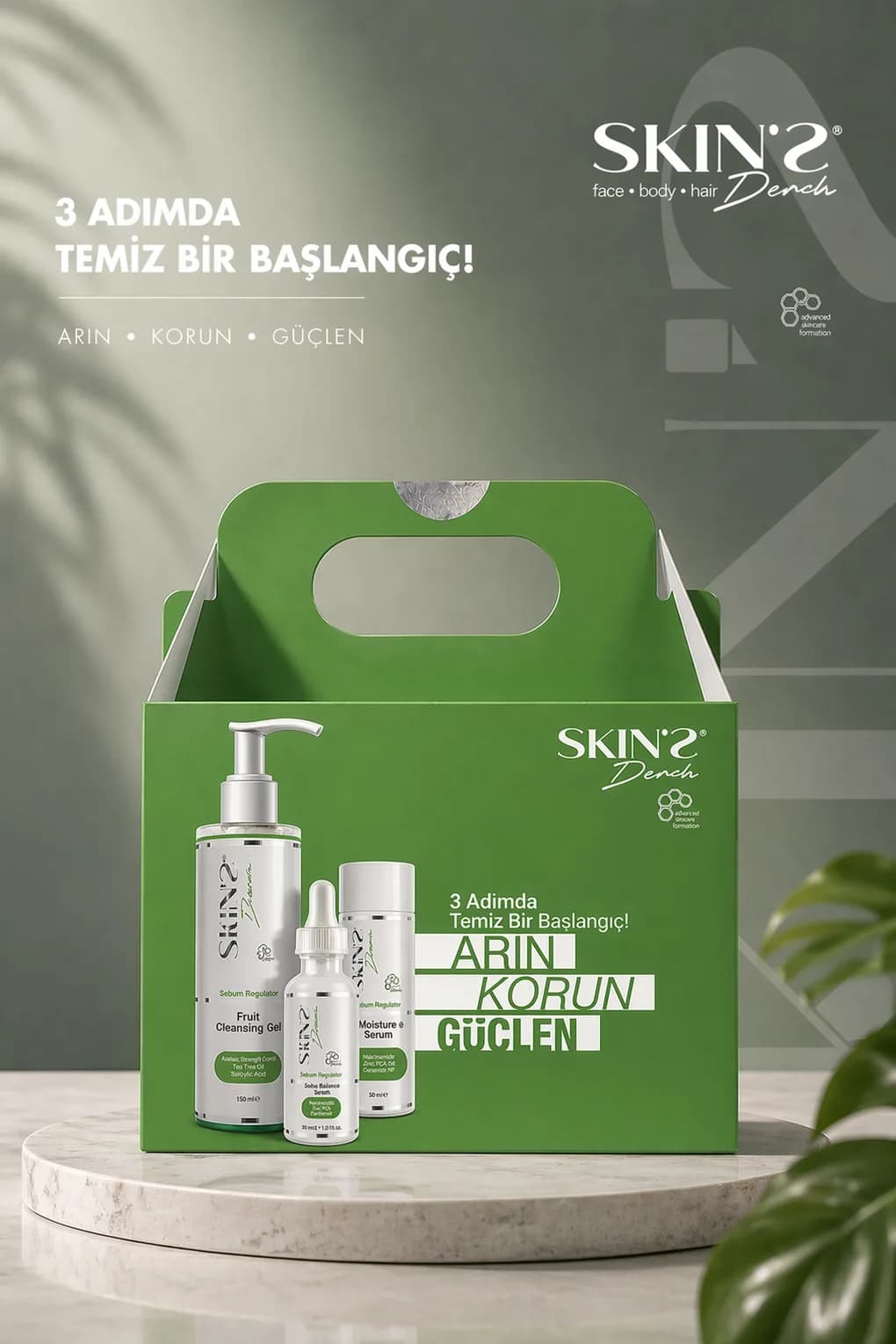
If you want these steps as a ready-made routine, the Cleanse, Protect & Strengthen set brings together the cleansing gel, night serum and SPF 50 moisturiser.
Key ingredients for oily skin
- Salicylic acid (BHA): Oil-soluble, so it gets inside the pore; it clears dead cells and reduces blackhead formation.
- Glycolic acid (AHA): Removes dead cells from the skin's surface for a smoother, brighter look.
- Niacinamide: Helps balance the look of oiliness and uneven tone, and supports the barrier.
- Tea tree: Purifies pores and soothes irritation.
- Hyaluronic acid: Hydrates without adding oil; the lightest way to moisturise oily skin.
What to avoid
- Harsh cleansing more than twice a day, or alcohol-based toners.
- Squeezing spots: it raises the risk of marks and scarring.
- Starting several acids or strong actives at once.
- Skipping moisturiser: dehydrated skin is more prone to irritation.
- Products with heavy, pore-clogging oils: look for "non-comedogenic".
Starting a new routine
Add products one by one and give each a few days. Starting acid serums every other night for the first weeks helps your skin adjust. Use the routine consistently for at least 4–6 weeks before judging results. If you have widespread, inflamed or painful breakouts, see a dermatologist; this needs more than cosmetic care.
You can find every product in the range on the Acne & oil-control range page.
Frequently asked questions
Does oily skin need moisturiser?
Yes. Hydration and oil are different things; oily skin loses water too. A light, oil-free, non-comedogenic moisturiser keeps the skin balanced and reduces irritation.
How often should I wash oily skin?
Twice a day, morning and evening, is enough. An extra cleanse after sport or heavy sweating is fine. Washing more often can irritate the skin.
Does sunscreen cause breakouts on oily skin?
Heavy textures can clog pores. With a lightweight, non-comedogenic sunscreen made for oily skin, sun protection becomes a comfortable part of the routine.
Can I use salicylic acid every day?
Salicylic acid in a cleanser can usually be used daily. With leave-on acid serums, it is safer to start every other day and increase frequency as your skin tolerates it.
This article is for general information and is not medical advice. If you have a skin condition, persistent irritation or an allergy, see a dermatologist.