GuideAnti-aging range
How to use retinol
Retinol is one of the most researched ingredients against signs of ageing, but starting it the wrong way can cause dryness and redness. This guide explains how to start retinol, where it goes in your routine and what to watch out for.
What does retinol do?
Retinol is a derivative of vitamin A. It supports the skin's renewal process and, with regular use, helps reduce the look of fine lines, sun spots, acne marks and rough texture. Its effect builds up over weeks, not days.
Start slowly
Skin needs time to get used to retinol. Mild dryness, flaking or redness can appear in the first weeks, so starting low and increasing slowly is the safest approach.
- Weeks 1–2: 2 nights a week, every other night.
- Weeks 3–4: 3–4 nights a week if your skin is comfortable.
- After that: every night or every other night, as tolerated.
Retinol in your evening routine
- Cleanse. Wash with a gentle cleanser and let your skin dry completely. Damp skin absorbs retinol faster and can become more sensitive.
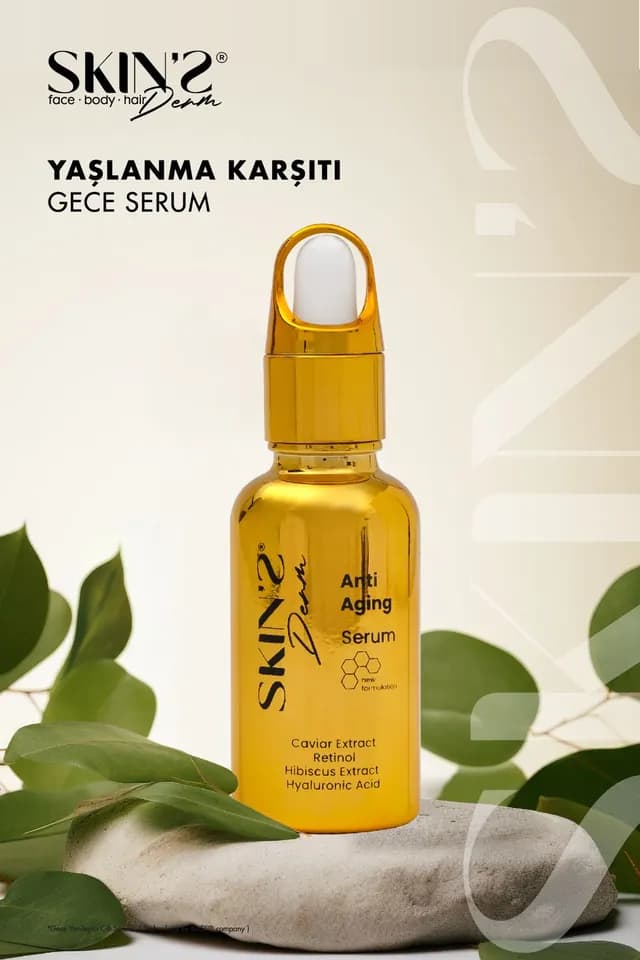
- Retinol serum. A few drops are enough for the whole face. Keep away from the eye area and the corners of the mouth. Anti Aging Serum combines retinol with Linefactor-C™, caviar extract and hyaluronic acid.
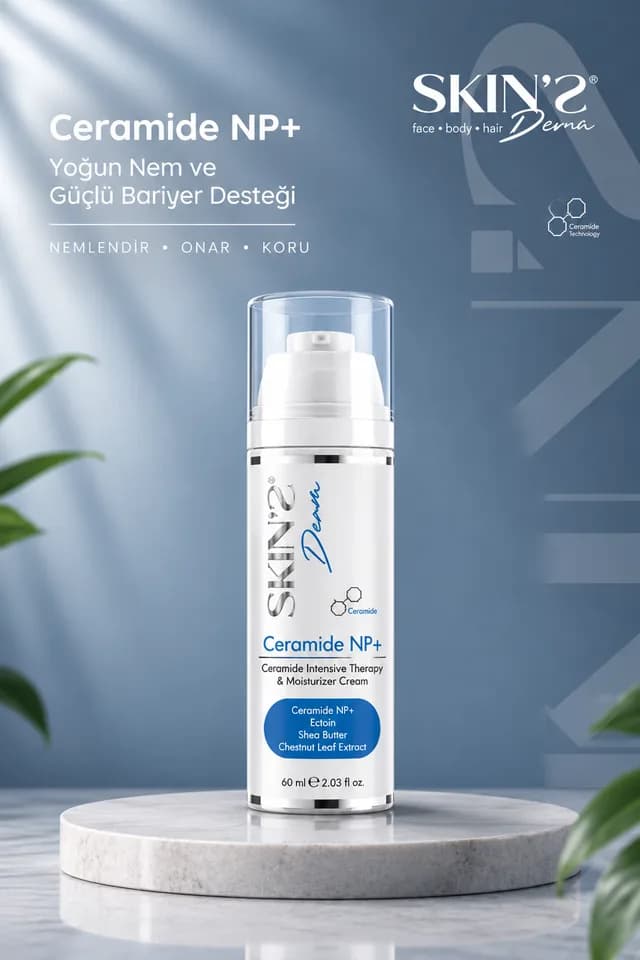
- Moisturiser. Apply a moisturiser on top to balance retinol's drying effect. A ceramide cream is especially welcome in this phase: Ceramide NP+ Intensive Therapy.
The eye area
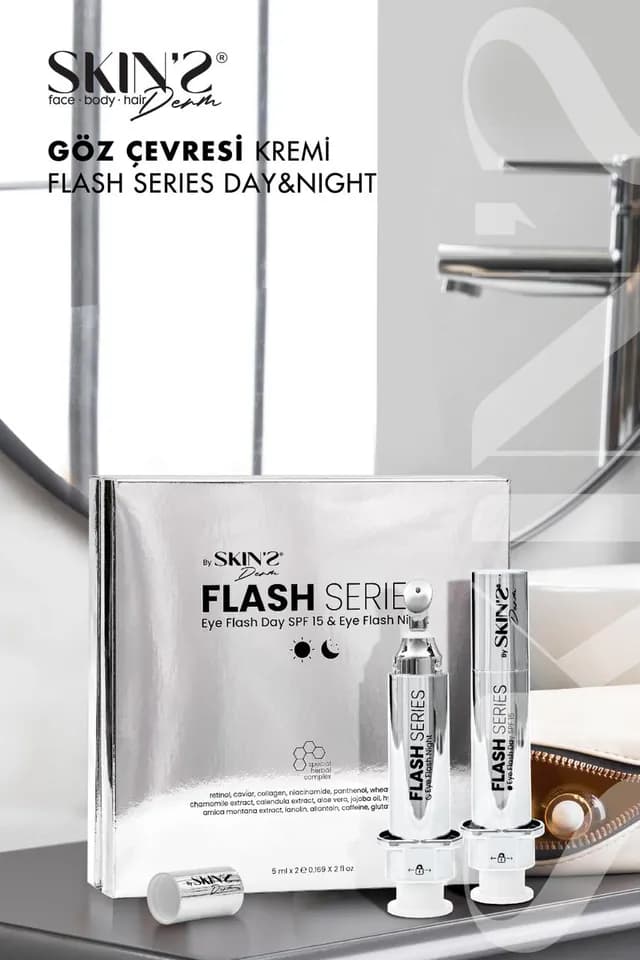
The skin around the eyes is very thin; don't apply a retinol serum made for the face there. Use products formulated specifically for the eye area; for example, the night cream of Eye Flash Day & Night contains retinol and caviar extract.
What not to combine it with
- Strong acids (AHA/BHA) and peeling products: Don't layer them on the same night; use them on different nights.
- Benzoyl peroxide: Can reduce retinol's effect and increase irritation; use at different times.
- Vitamin C: Not a problem together, but the easiest plan is vitamin C in the morning and retinol at night.
- Niacinamide, hyaluronic acid, ceramides: Compatible; they support the skin alongside retinol.
Sun protection is a must
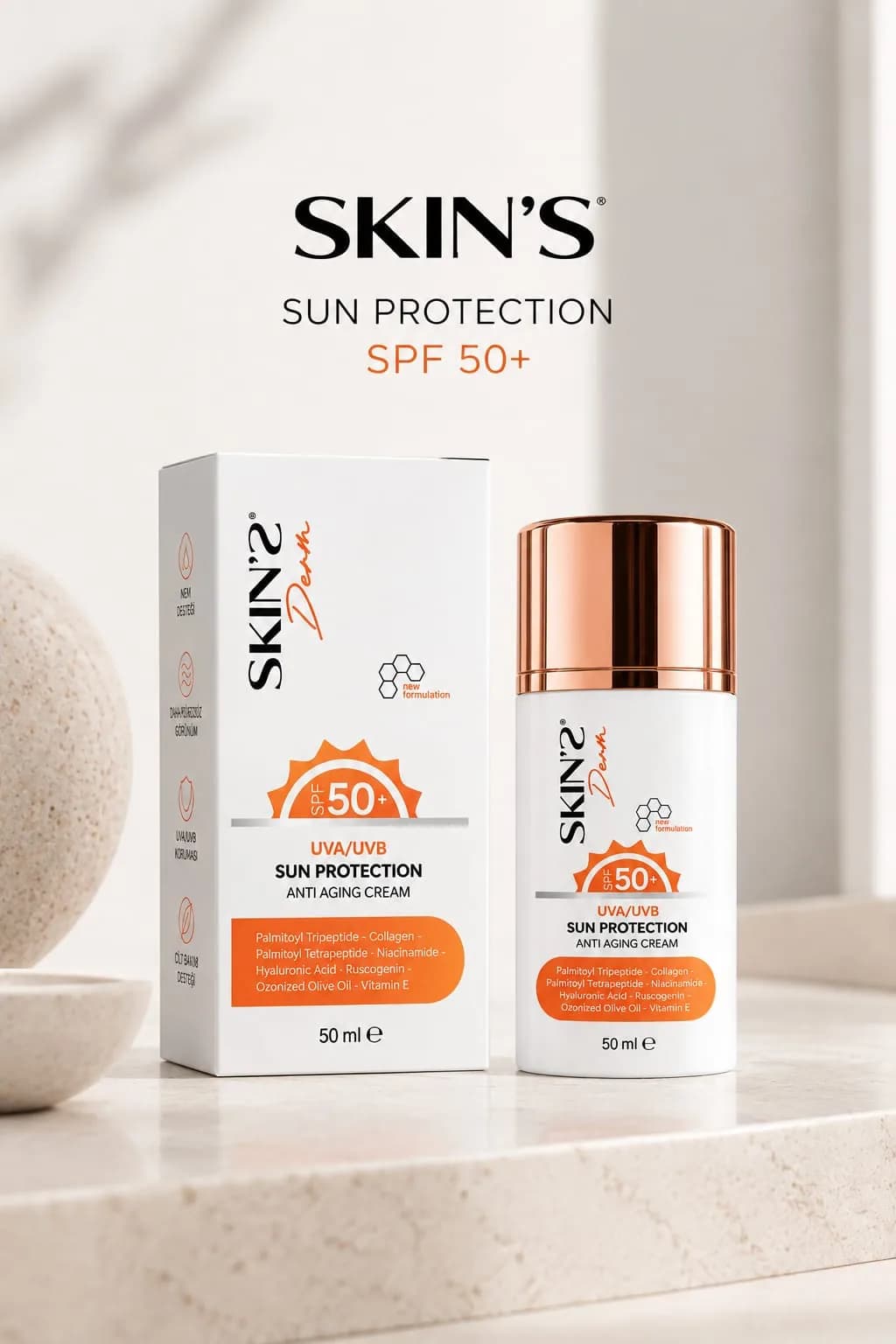
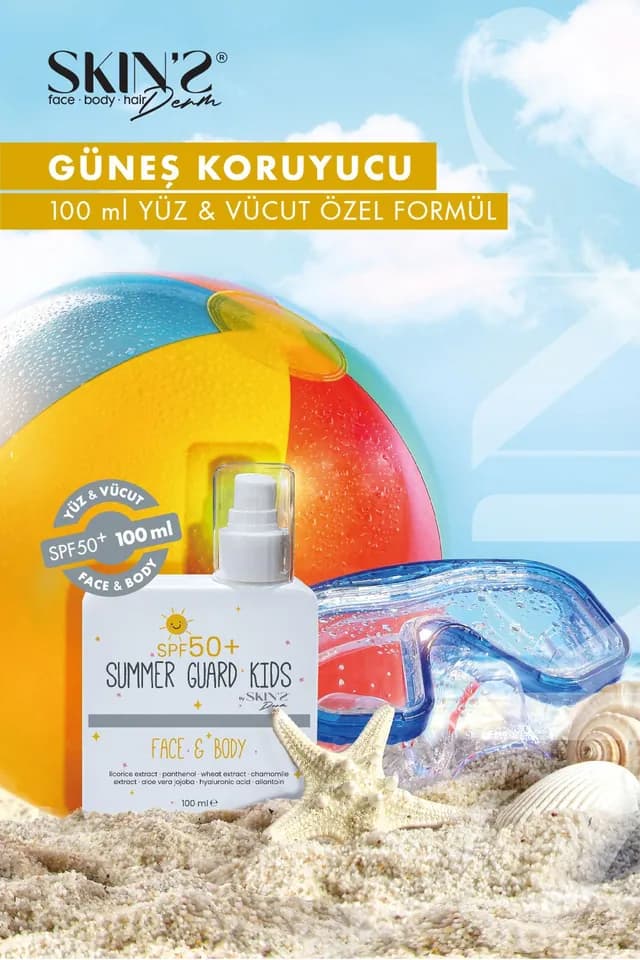
Retinol can make the skin more sensitive to the sun. While you use retinol, apply a broad-spectrum sunscreen every morning, even when it's overcast; for example SPF 50 Anti-Age Cream.
When will I see results?
Improvements in texture usually show within 4–6 weeks. Changes in the look of fine lines and spots need at least 8–12 weeks of regular use. For products that complement retinol, see the Anti-aging range page.
Frequently asked questions
Can I use retinol every day?
Once your skin is used to it, it can be used every night. Starting with 2 nights a week and increasing over a few weeks lowers the risk of irritation.
Can I use retinol in the morning?
It's not recommended. Retinol breaks down faster in light and can make skin more sensitive to the sun; the evening routine is the right place for it.
My skin is peeling on retinol. Should I stop?
Mild dryness and flaking in the first weeks can be part of getting used to it. Reduce how often you use it and moisturise more. If you get burning, swelling or severe redness, stop and see a dermatologist.
Can I use retinol during pregnancy?
Products containing retinol are generally not recommended during pregnancy and breastfeeding. Plan your skincare with your doctor during this time.
This article is for general information and is not medical advice. If you have a skin condition, persistent irritation or an allergy, see a dermatologist.