GuideAnti-aging range
How to use a vitamin C serum
Used in the right order and consistently, a vitamin C serum is one of the most effective steps in a routine against uneven tone and dullness. This guide walks you through when to use it, in what order and which products to pair it with.
What does vitamin C do for the skin?
Vitamin C is a powerful antioxidant. Sunlight and air pollution create free radicals in the skin, which over time show up as dark spots, dullness and early signs of ageing. Vitamin C helps limit the effect of these free radicals, evens out melanin production to fade the look of spots, and plays a role in the skin's collagen production.
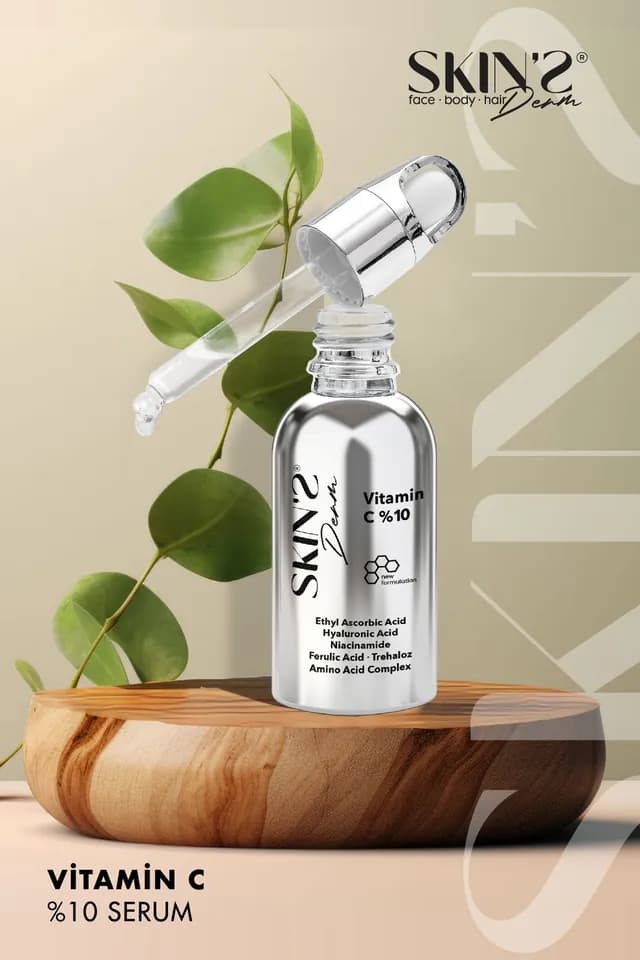
Skincare uses several forms of vitamin C. The most researched is L-ascorbic acid: effective, but it breaks down easily in light and air and can sting sensitive skin. Ethyl ascorbic acid is a more stable, gentler derivative that converts to vitamin C in the skin. Vitamin C 10% Serum contains 10% of this form together with ferulic acid and niacinamide, which support its effect.
Morning or night?
The most effective time is the morning. It gives antioxidant protection during the hours you are exposed to sun and pollution and complements your sunscreen. You can also use it at night, or both morning and night.
If your evening routine includes retinol, the simplest plan is: vitamin C in the morning, retinol at night. That way you never layer two strong actives at the same time.
Step by step
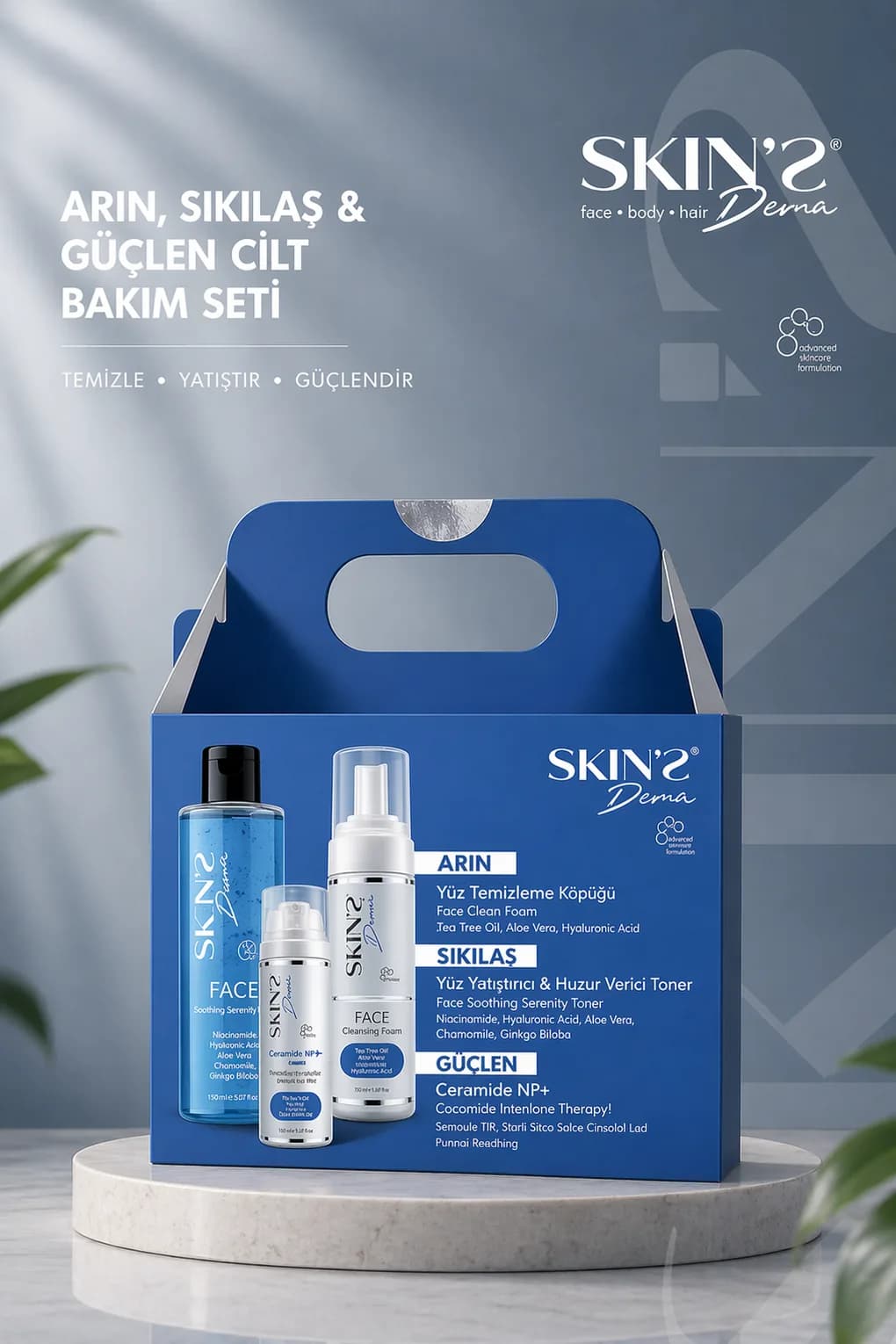
- Cleanse. Wash your face with a gentle cleanser such as Face Clean Foam. Harsh cleansers that leave skin tight make the next steps harder to tolerate.
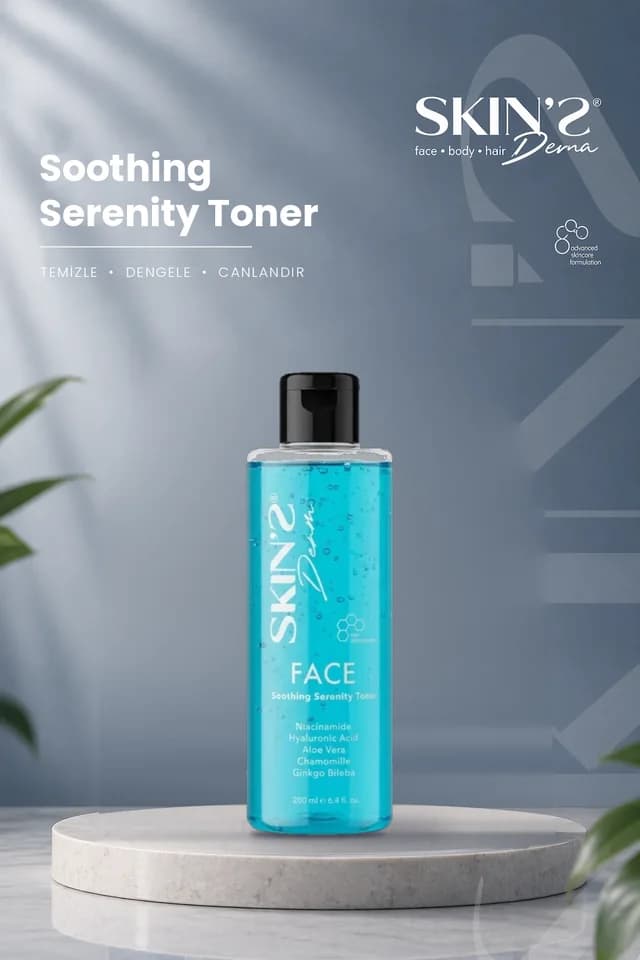
- Toner (optional). An alcohol-free, soothing toner such as Serenity Toner preps the skin for the next step.
- Vitamin C serum. 3–4 drops are enough. Spread over face and neck with your fingertips, avoiding the eye area. Wait about a minute for it to absorb.
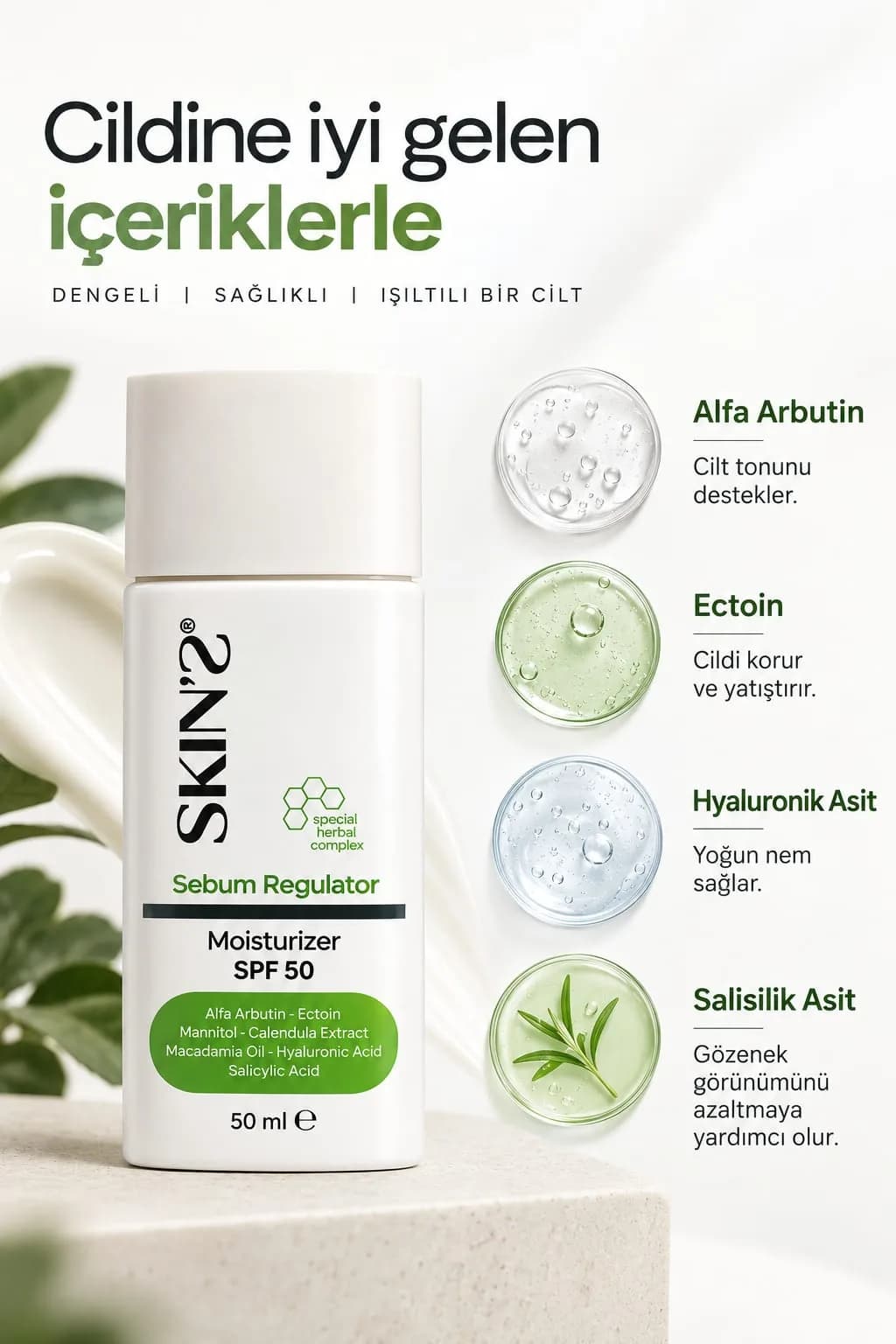
- Moisturiser. Apply a moisturiser that suits your skin type on top; it seals in hydration and keeps skin balanced.
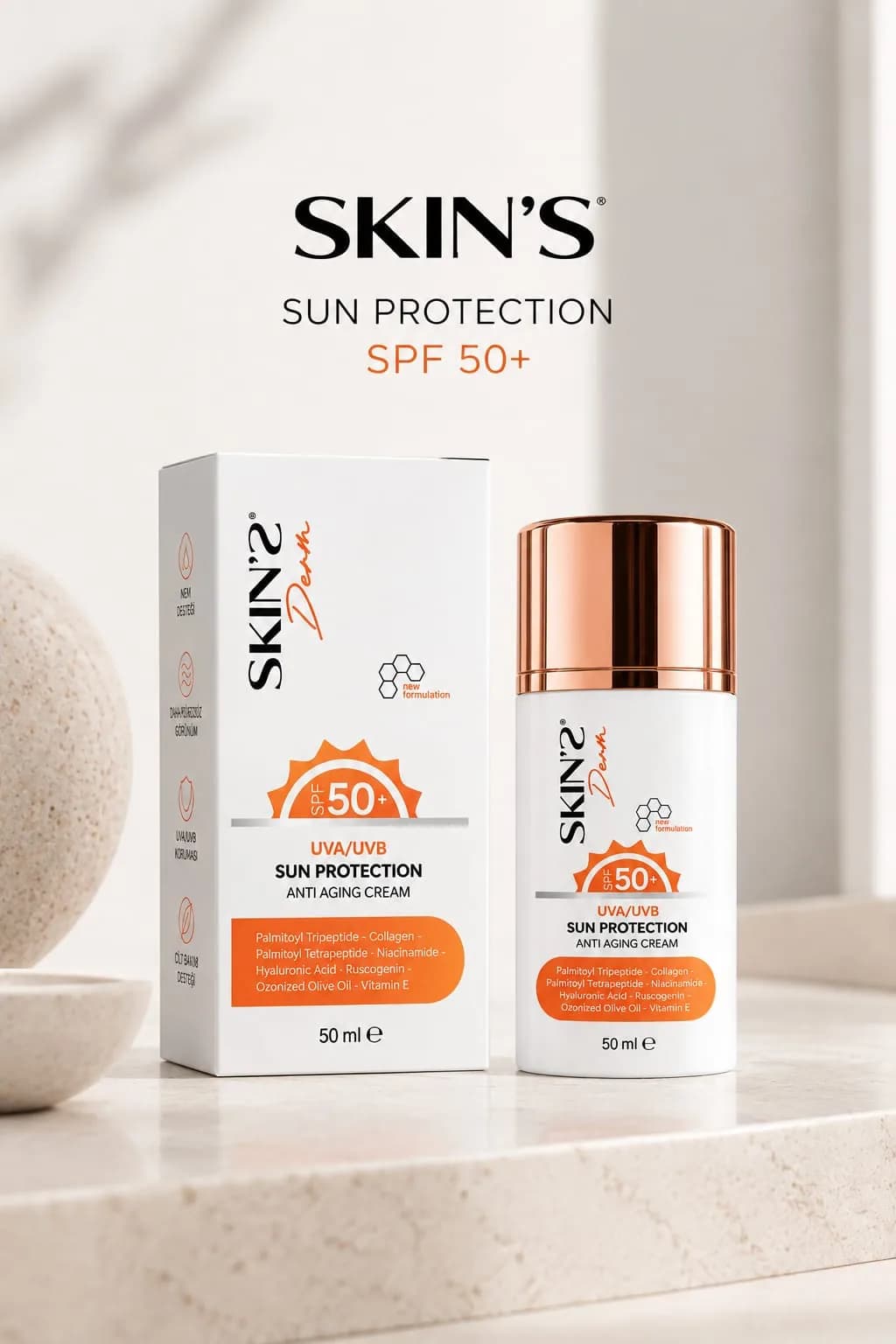
- Sunscreen (morning). Finish with a broad-spectrum SPF 30 or higher. If you also want anti-ageing support, SPF 50 Anti-Age Cream is a good partner.
What to pair it with, and what to watch out for
- Niacinamide: Fine together. The old "never mix vitamin C and niacinamide" warning comes from early experiments with pure ingredients; it is not a problem in today's formulas. Our serum already contains both.
- Ferulic acid and vitamin E: Support vitamin C's antioxidant effect; a good pairing.
- Hyaluronic acid: Compatible; use it after the serum or as part of your moisturiser.
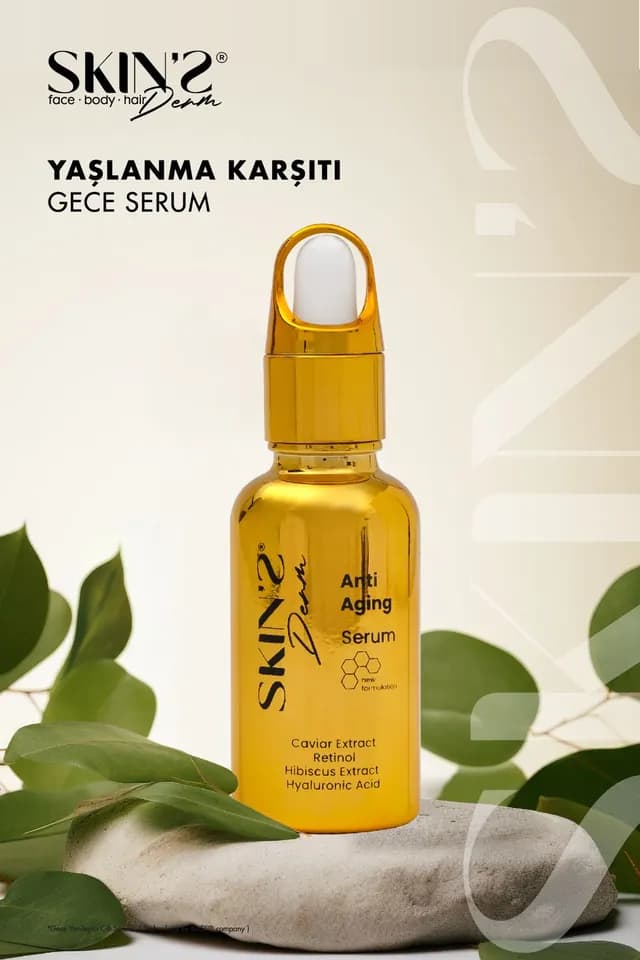
- Retinol and strong acids (AHA/BHA): Layering them at the same time can increase irritation in sensitive skin. Use vitamin C in the morning and retinol or acids at night. Anti Aging Serum fits this plan for the evening.
- Benzoyl peroxide: Don't apply it at the same time as vitamin C; if you need both, use them at different times of day.
When will I see results?
Skin can look brighter within a few weeks. To judge changes in spots and uneven tone properly, give it at least 4–6 weeks of regular use. Results vary from person to person, and without sun protection spots come back easily.
Common mistakes
- Skipping sunscreen: it undoes the work of your vitamin C.
- Using too much: 3–4 drops cover face and neck; more does not mean a stronger effect.
- Leaving the bottle in light or heat: keep it closed, somewhere cool and out of the sun.
- Starting several new actives on the same day: add new products one at a time so you can see how your skin reacts to each.
- Skipping the patch test: before first use, apply a little behind the ear or under the jaw and wait 24 hours.
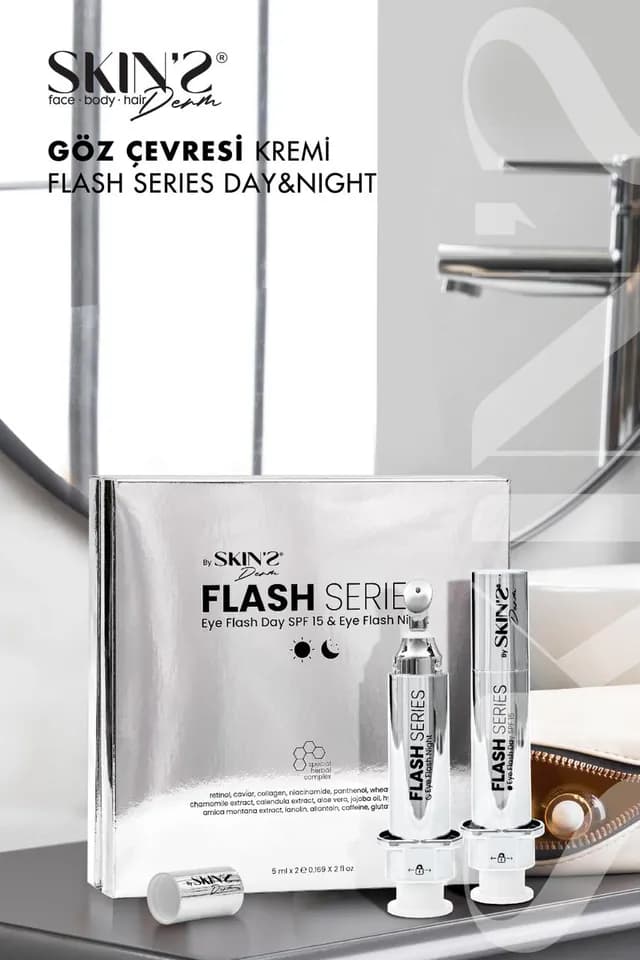
Slight tingling can happen in the first days; if redness, burning or itching persists, stop using it. For products that complement a vitamin C serum, have a look at the Anti-aging range.
Frequently asked questions
Can I use vitamin C serum every day?
Yes. Vitamin C serum is designed for daily use, in the morning or both morning and evening. Regular use gives better results than occasional use.
Is vitamin C suitable for sensitive skin?
Ethyl ascorbic acid is gentler than L-ascorbic acid. On sensitive skin, do a patch test first and use it every other day for the first two weeks to let your skin adjust.
Can oily skin use vitamin C serum?
Yes. The light, fast-absorbing serum texture works well on oily and combination skin. Follow it with an oil-free or lightweight moisturiser.
Can I use vitamin C serum and retinol on the same day?
Yes, but at different times: vitamin C in the morning, retinol at night. That way you get the benefit of both without increasing the risk of irritation.
This article is for general information and is not medical advice. If you have a skin condition, persistent irritation or an allergy, see a dermatologist.