GuideSkin barrier
How to care for your skin in winter
When the weather turns cold, many people notice tightness, flaking and redness. Cold is not the only cause: wind, dry indoor air and hot showers also put pressure on the skin's protective barrier. In this guide we explain why skin dries out in winter and how to adapt your routine to the season.

Why does skin get dry in winter?
The outermost layer of the skin works like a barrier made of ceramides, cholesterol and fatty acids: it keeps moisture in and irritants out. In winter, humidity drops, cold and wind reduce the lipids on the skin's surface, and heated rooms pull moisture away quickly. The result is more water loss from the skin: tightness, flaking and itching. When the barrier is weakened, skin can even react to products you used without problems before.
1. Make cleansing gentler
The most common winter mistake is sticking with the strong cleanser you used in summer. Products that leave skin "squeaky clean" also strip away lipids that are already in short supply. Choose a cleanser that does not dry the skin and wash your face with lukewarm, not hot, water. Face Clean Foam helps keep skin from feeling tight after cleansing, with aloe vera, niacinamide and hyaluronic acid.
2. Layer moisture with a toner
An alcohol-free toner applied right after cleansing, while the skin is still slightly damp, helps the next steps spread better. The niacinamide in Serenity Toner supports the barrier, while hyaluronic acid, aloe vera and chamomile hydrate and soothe.
3. Strengthen your moisturizer
Winter is the time to move from light gel moisturizers to richer textures. Look for ingredients that resemble the skin's own structure: ceramides fill the gaps in the barrier, and emollients such as shea butter reduce water loss. Ceramide NP+ Intensive Therapy supports the barrier of dry, reddened skin with purified Ceramide NP, Ectoin and shea butter. We explain how ceramides work in our ceramide guide.
Apply moisturizer after cleansing and toner, before the skin is completely dry; add another thin layer in the afternoon if needed.
4. Don't drop sunscreen
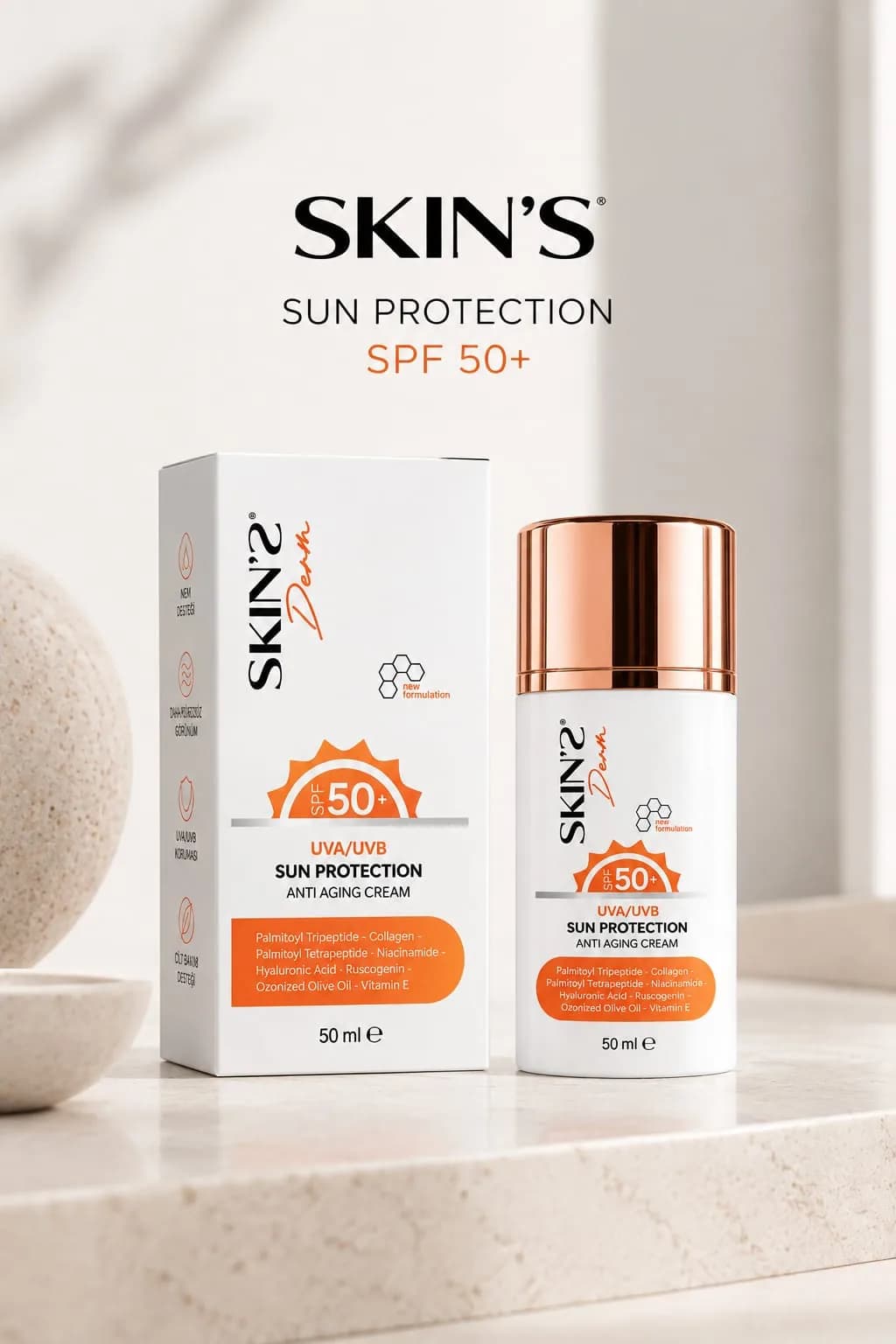
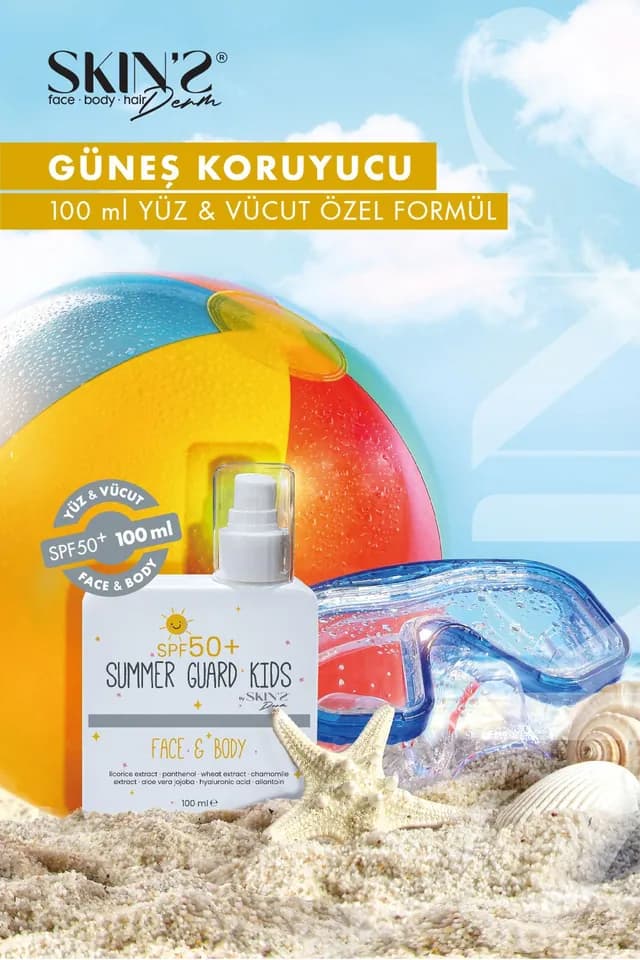
The sun burns less in winter, but UVA rays, which are responsible for signs of ageing and dark spots, are active all year round, and snow reflection increases their effect. Sunscreen should still be the last step of your morning routine. We explain why and how in our article on sunscreen in winter.
5. Use actives in moderation
Retinol, acids such as AHA/BHA and vitamin C can be used in winter too, but if your skin feels dry or stings, it makes sense to use them less often. Reduce retinol to a few nights a week and never skip moisturizer on those nights. See our retinol guide for details.
A sample winter routine
- Morning: Lukewarm water or a gentle cleanser → toner → ceramide moisturizer → SPF 50 sunscreen.
- Evening: Cleanse with Face Clean Foam → Serenity Toner → serum (if you use one) → Ceramide NP+.
- Once or twice a week: A gentle exfoliant if your skin tolerates it; pause if there is redness.
If you want these three steps together, the Cleanse, Tighten & Strengthen set brings the cleansing foam, toner and ceramide cream together in one box.
Small habits that protect your skin
- Keep showers short and not too hot; moisturize within the first few minutes after bathing.
- In heated rooms, a humidifier or a bowl of water on the radiator raises indoor humidity.
- Protect the lower part of your face from the wind with a scarf when you go out.
- Drink enough water throughout the day.
- Use a separate, nourishing product for your lips and hands; these areas have very few oil glands.
If redness, cracking or itching continues despite regular moisturizing, it is best to see a dermatologist. You can find all products for dry and sensitive skin in the Skin barrier series.
Frequently asked questions
Does oily skin need moisturizer in winter?
Yes. Oily skin also loses water in winter, and dehydrated skin can become oilier. A light, non-comedogenic moisturizer is enough.
How often should you wash your face in winter?
For most skin types, once in the morning and once in the evening is enough. Dry skin can be rinsed with lukewarm water alone in the morning.
Why does the face turn red in cold weather?
Moving between cold outdoor air and warm rooms makes surface blood vessels narrow and widen; on skin with a weakened barrier this can show as redness and a burning feeling. Soothing, barrier-supporting products help reduce this look.
When should you apply ceramide cream?
After cleansing and toner, morning and evening. In the morning, sunscreen comes after the ceramide cream.
This article is for general information and is not medical advice. If you have a skin condition, persistent irritation or an allergy, see a dermatologist.