GuideSun range
How to choose a sunscreen
Sunscreen is the most effective step in a skincare routine against both signs of ageing and dark spots, yet finding the right one among dozens of options is not easy. This guide explains the terms on the label, how to choose by skin type and how to use sunscreen properly.
What does SPF mean, and how much is enough?
SPF (sun protection factor) shows how well a product protects against UVB rays, which cause sunburn. SPF 30 filters about 97% of UVB rays and SPF 50 about 98%. The difference looks small, but the amount of radiation reaching the skin is almost halved. In summer, during long hours outdoors and for skin prone to dark spots, choose SPF 50.
Don't forget UVA protection
UVA rays reach deeper layers of the skin and are the main cause of signs of ageing such as wrinkles, sagging and dark spots. They also work on cloudy days and through glass. The SPF number says nothing about UVA protection; look for "UVA/UVB", "broad spectrum" or the UVA logo in a circle on the label.
Choosing by skin type
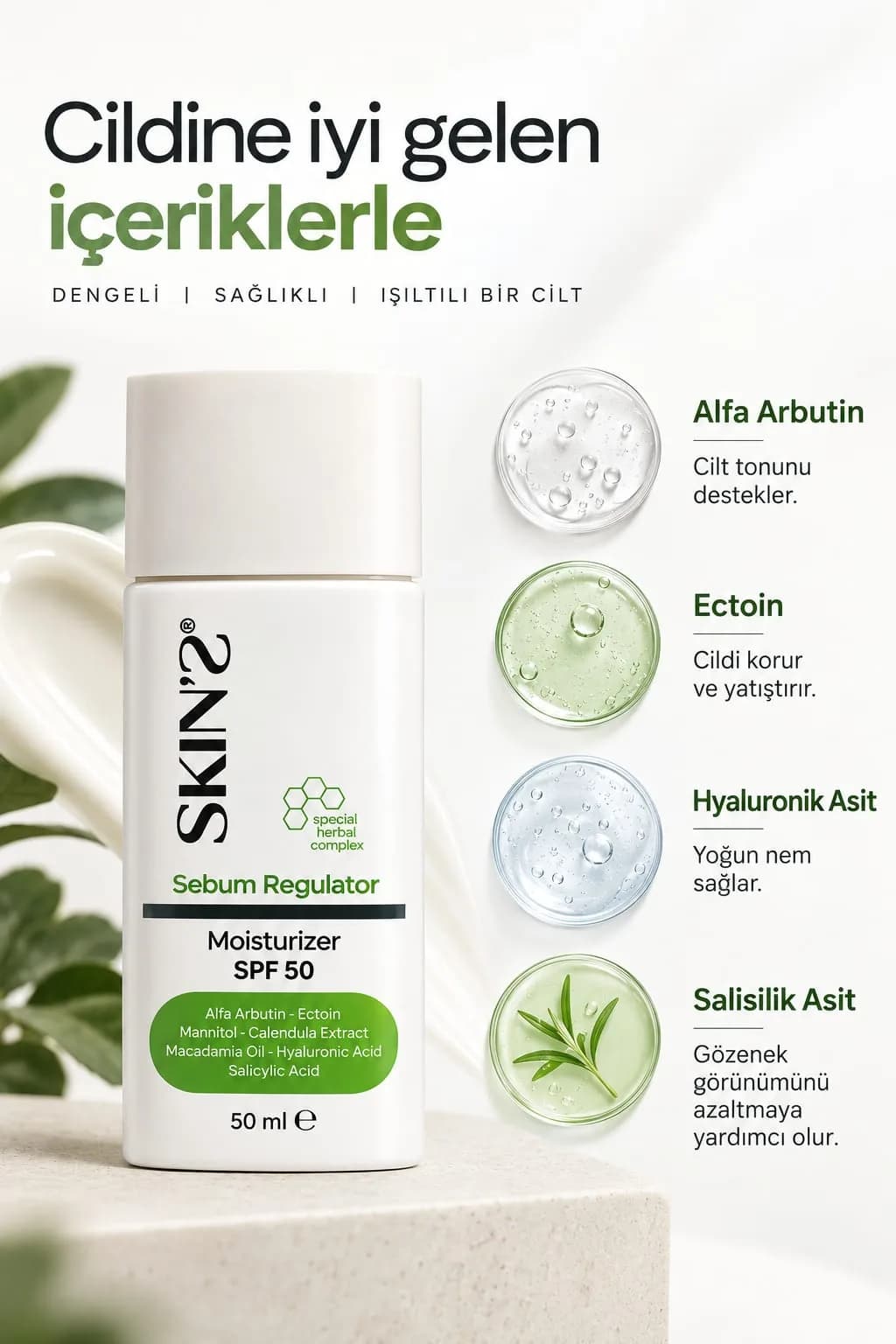
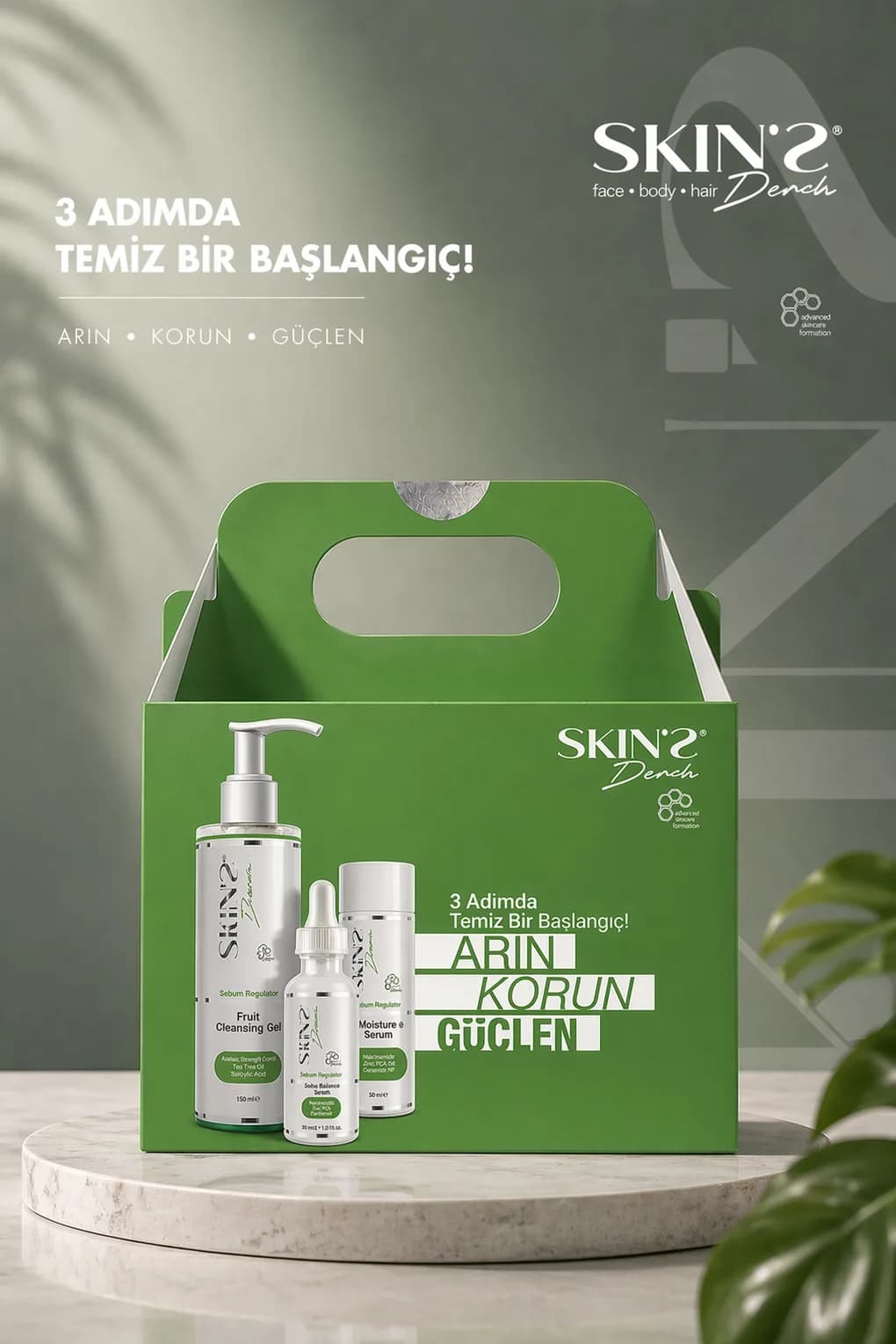
- Oily and acne-prone skin: Choose a light, oil-free, non-comedogenic texture. Sebum Regulator Moisturizer SPF 50 combines moisturiser and sunscreen in one step.
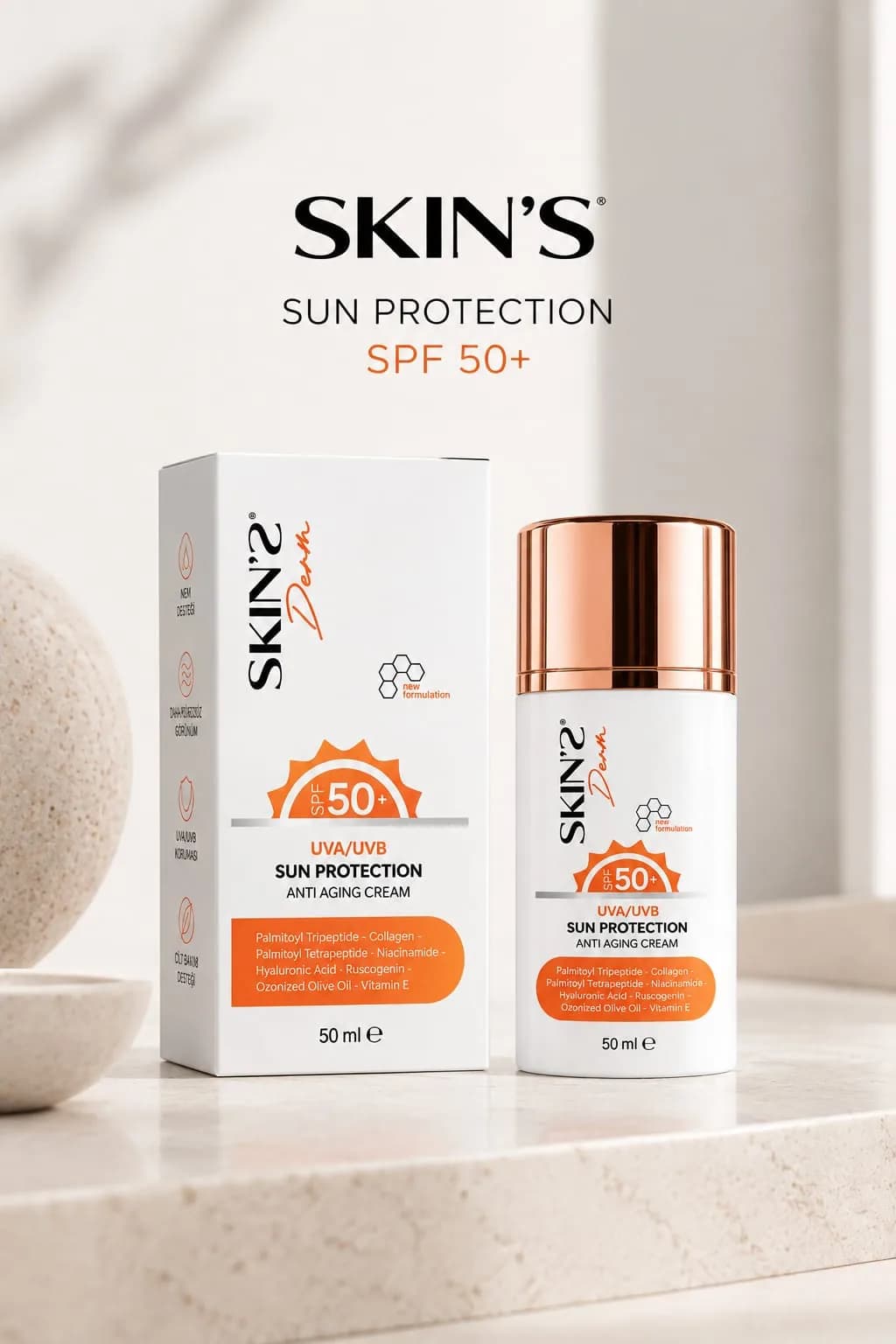
- Dry, mature or spot-prone skin: A formula with hydration and care makes things easier. SPF 50 Anti-Age Cream adds anti-ageing support with peptides, collagen and niacinamide.
- If you want light coverage: A tinted sunscreen simplifies the foundation step: Tinted BB Cream SPF 50+.
- Body and holidays: Pick a product that spreads easily over large areas: Summer Guard SPF 50.
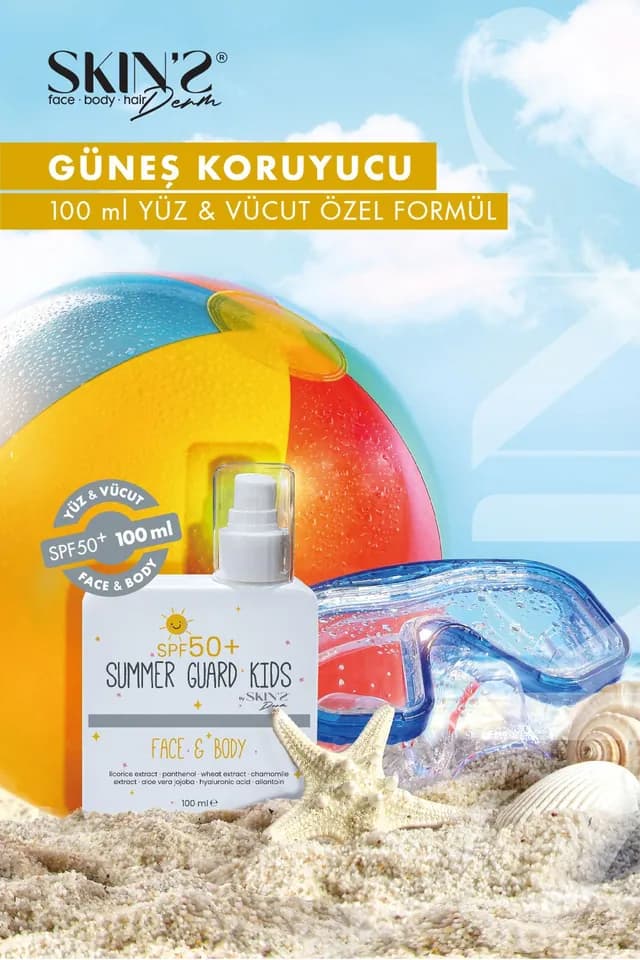
- Children: Use a hypoallergenic formula made for sensitive skin: Summer Guard Kids SPF 50.
How much to apply
The protection on the label is measured with 2 mg of product per square centimetre of skin. For the face and neck alone that is about two finger-lengths of cream. Most people apply less than half of that, so their protection falls far below the label.
How often to reapply
- Every 2 hours when you are outdoors.
- Straight after swimming, heavy sweating or towelling off.
- If you spend the day indoors, the sunscreen you applied in the morning is usually enough; if you work by a window, top it up at midday.
Common mistakes
- Skipping sunscreen on cloudy or cool days: most UV rays pass through clouds.
- Relying on foundation or powder with SPF alone: these are never applied in sufficient amounts.
- Forgetting ears, neck, the area around the lips and the backs of the hands.
- Using last summer's opened tube that sat in the heat: check the period-after-opening symbol on the pack.
Sunscreen works best together with shade, a hat and staying out of the midday sun (roughly 11:00–16:00). You can find all options on the Sun protection range page.
Why and how to use sunscreen in the cold season is explained in detail in our article on sunscreen in winter.
Frequently asked questions
Should I use SPF 50 or SPF 30?
For short daily exposure SPF 30 can be enough. If you will be outdoors for long, in summer, or your skin is prone to dark spots, choose SPF 50.
Do I need sunscreen in winter?
Yes. UVB drops in winter, but UVA rays, which drive signs of ageing, stay at almost the same level all year; on snow, reflection increases the sun's effect.
Will sunscreen cause breakouts on oily skin?
Heavy textures can clog pores. A light, non-comedogenic sunscreen developed for oily skin largely prevents this.
Does sunscreen go on before or after make-up?
Before. Let the sunscreen absorb, wait a few minutes, then apply make-up. To reapply during the day you can use a tinted sunscreen or an SPF spray.
This article is for general information and is not medical advice. If you have a skin condition, persistent irritation or an allergy, see a dermatologist.