GuideSun range
How to choose sunscreen for children
Children's skin is thinner and more sensitive than adult skin and burns faster in the sun. This guide explains what to look for when choosing a sunscreen for children, and why sun protection is about more than cream.
From what age?
Babies under 6 months should be kept out of direct sun and protected with shade, a hat and thin, light-coloured clothing. At this age, always ask your paediatrician before using sunscreen. For babies over 6 months and children, sunscreens made specifically for children can be used.
What to look for in a children's sunscreen
- SPF 50 and UVA/UVB protection: Children spend a lot of time outdoors; choose high, broad-spectrum protection.
- Hypoallergenic formula: For sensitive skin, choose products with a low allergy risk.
- Easy to apply: Textures that don't feel greasy or sticky mean fewer complaints.
- Water resistance: Important on beach and pool days, but even water-resistant products must be reapplied after swimming.
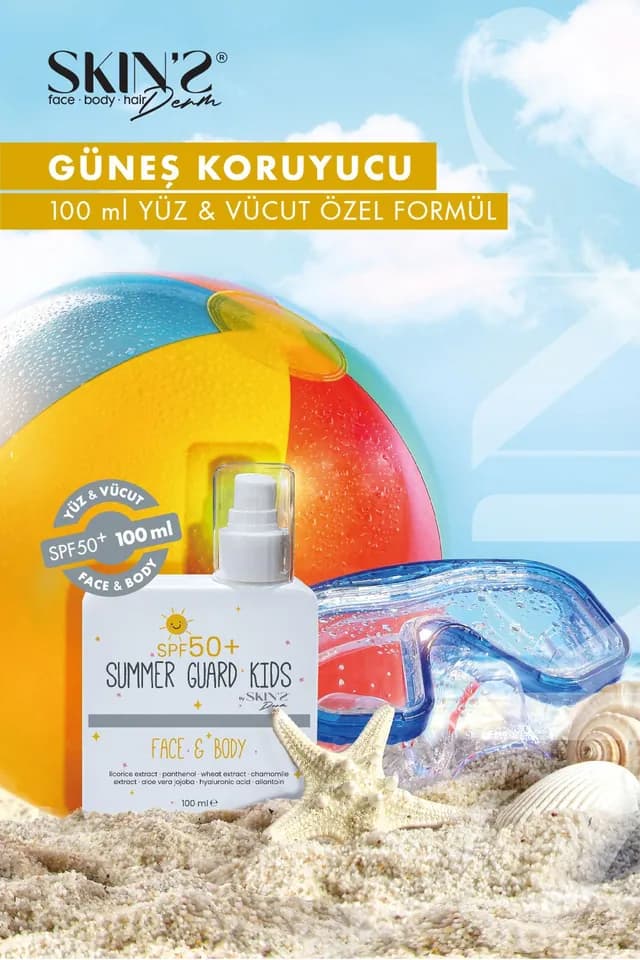
Summer Guard Kids SPF 50 was developed as a hypoallergenic formula for children's sensitive skin; panthenol and allantoin moisturise, aloe vera and chamomile soothe, and it spreads easily without a greasy feel.
Applying it properly
- Apply at least 20 minutes before going out in the sun.
- Be generous: face, ears, neck, arms and legs.
- Behind the ears, the tops of the feet and swimsuit edges are the most often forgotten spots.
- Reapply every 2 hours and straight after swimming, sweating or towelling off.
More than cream
- Stay in the shade when the sun is strongest (roughly 11:00–16:00).
- Use a wide-brimmed hat and sunglasses with UV protection.
- UV-protective T-shirts and swimsuits make beach days easier.
- Give plenty of water to help prevent heatstroke.
One product for the whole family?
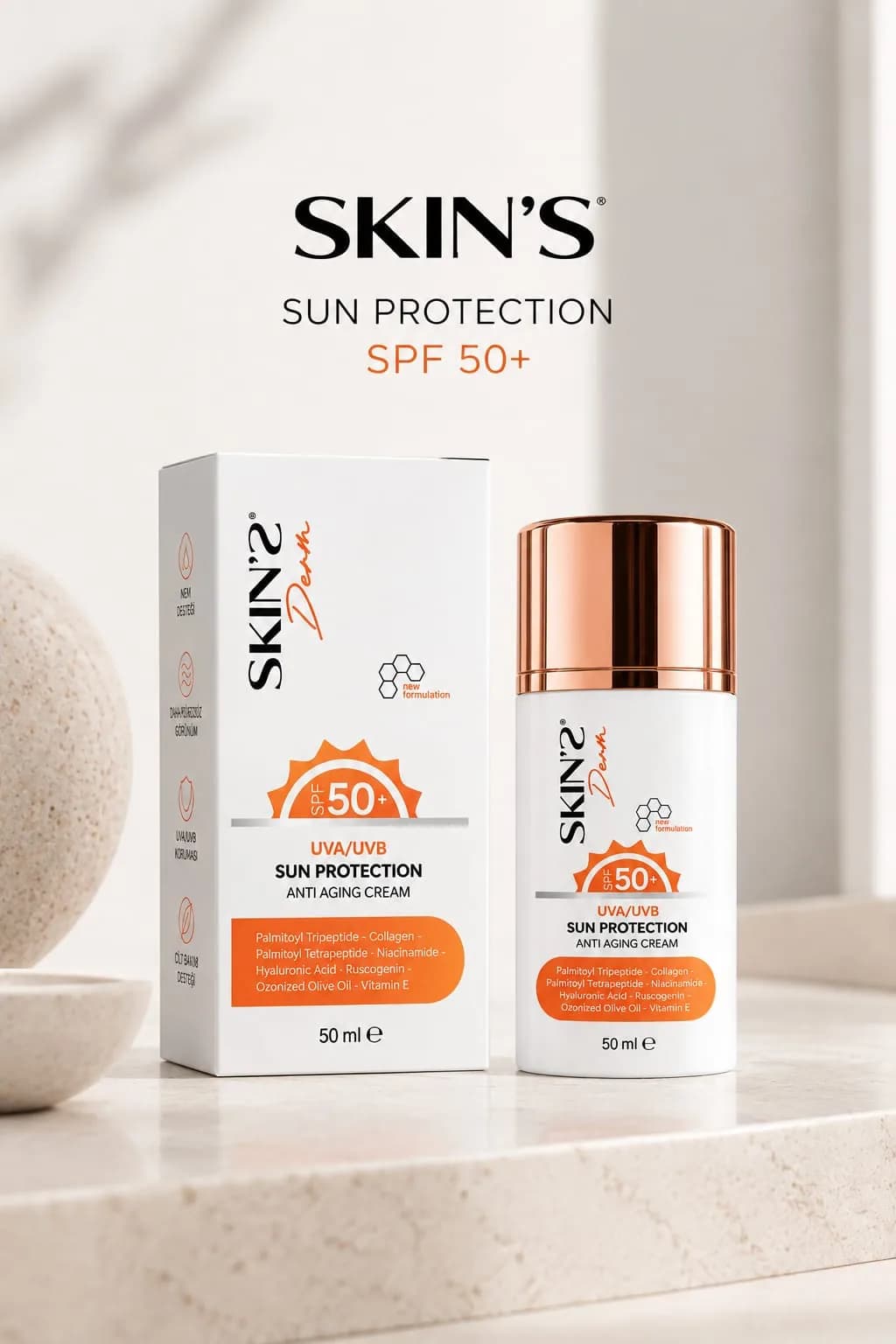
Adults can use Summer Guard SPF 50, which spreads easily on face and body; for children it's better to choose a formula made for sensitive skin. All sunscreens are on the Sun protection range page.
Frequently asked questions
Can I put sunscreen on a baby?
For babies under 6 months, shade and clothing are recommended instead of sunscreen; ask your paediatrician before using one. For babies over 6 months, choose hypoallergenic products made for children.
How often should children's sunscreen be applied?
Every 2 hours, and again after every swim, sweating or towelling off.
Can children use adult sunscreen?
Because children's skin is more sensitive, products developed for children, hypoallergenic and low in fragrance, are the better choice.
Do children need sunscreen on cloudy days?
Yes. Most UV rays pass through clouds; if children will be outside, apply sunscreen.
This article is for general information and is not medical advice. If you have a skin condition, persistent irritation or an allergy, see a dermatologist.