GuideSkin barrier
What do ceramides do?
Dryness, tightness, flushing easily or every product stinging… Behind these there is often a weakened skin barrier, and one of the barrier's most important building blocks is ceramides. In this guide we explain what ceramides are, what they do and how to add them to your routine.
What are ceramides?
The outermost layer of the skin is often compared to a brick wall: the bricks are skin cells and the mortar between them is lipids. About half of that mortar is ceramides; the rest is cholesterol and free fatty acids. Ceramides fill the gaps between cells, reducing water loss and limiting what can get into the skin from outside.
Signs your skin needs ceramides
Ceramide levels fall with age. Harsh cleansers, hot water, cold and dry air, over-exfoliation and retinoids can also weaken the barrier, and skin prone to atopic dryness is known to have lower ceramide levels. These signs can mean your barrier needs support:
- Noticeable tightness after washing your face
- Flaking and a rough texture
- Flushing and itching easily
- Products you used to tolerate now sting or burn
- Dryness that returns soon after moisturising
What makes Ceramide NP different?
The skin contains many types of ceramide; Ceramide NP (formerly called ceramide 3) is one of the most abundant. The Ceramide NP used in skincare is a biomimetic ingredient made with the same structure as the skin's own ceramide, so it works in harmony with skin lipids.
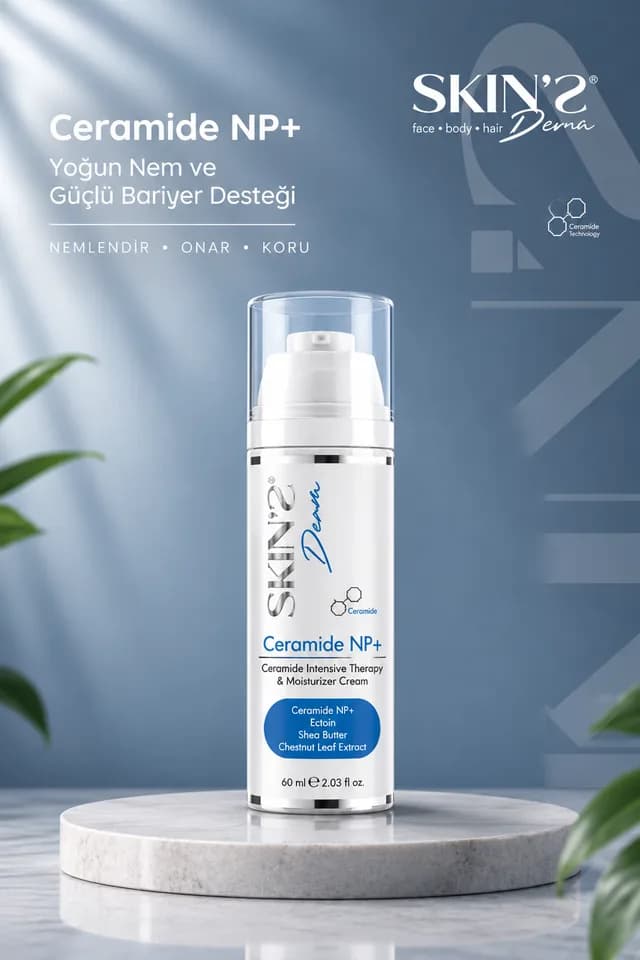
Ceramides work better as a team than alone: together with humectants (hyaluronic acid, glycerin), soothing ingredients and nourishing oils they support the barrier as a whole. Ceramide NP+ Intensive Therapy combines Ceramide NP with Ectoin, which helps protect against environmental stress, shea butter, which reduces moisture loss, and chestnut leaf extract.
Who should use ceramides?
- Dry, tight skin
- Sensitive skin that flushes easily
- People using retinol or acids, to balance their drying effect
- People using drying acne products
- Skin that dries out in winter or in air-conditioned rooms
- Oily skin too: oily skin can also have a compromised barrier and lose moisture
How to add ceramides to your routine
Ceramides usually belong in the moisturiser step and can be used morning and evening. The order is simple:
- Cleanse with a gentle cleanser.
- Apply a soothing toner if you like, such as Serenity Toner.
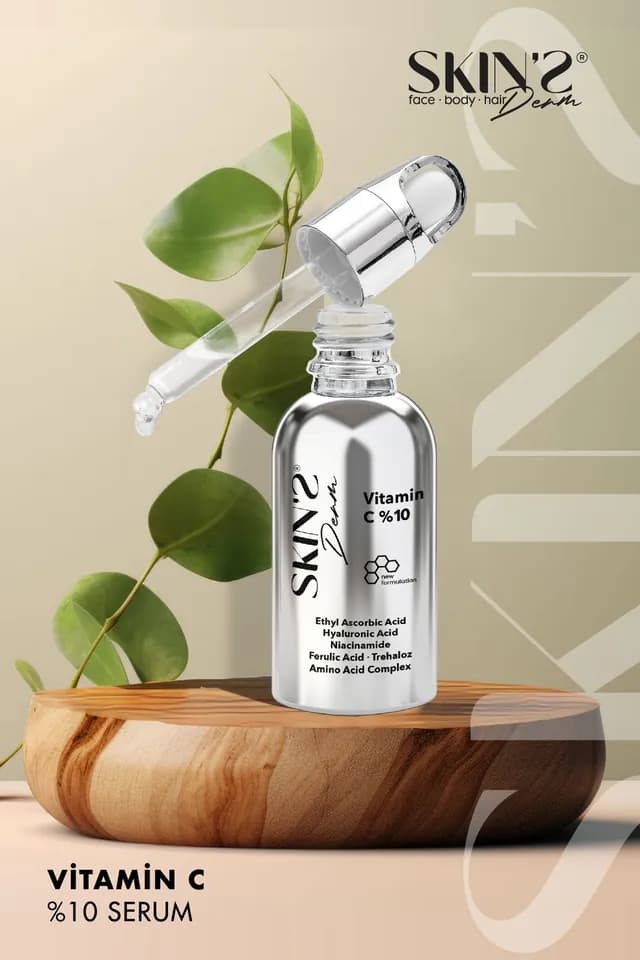
- Apply your serum: Vitamin C 10% Serum in the morning, retinol or an acid serum at night.
- Apply the ceramide cream.
- In the morning, finish with sunscreen.
When will I notice a difference?
Tightness and dryness can ease from the first applications. Restoring the barrier takes a few weeks of regular use. If you have persistent redness, severe itching or eczema-like patches, see a dermatologist.
For more barrier care, see the Skin barrier page.
We explain how to adapt your routine to protect the barrier in the cold months in our winter skincare guide.
Frequently asked questions
Are ceramides suitable for oily skin?
Yes. Ceramides don't add oil; they support the skin's own lipid structure. Oily and acne-prone skin also benefits from barrier support, especially when using drying products.
Can I use ceramides with retinol?
Yes. Applying a ceramide cream after retinol helps reduce the dryness and tightness retinol can cause.
What's the difference between ceramides and hyaluronic acid?
Hyaluronic acid attracts water and holds it in the upper layer of the skin; ceramides fill the gaps in the barrier and reduce the loss of that water. The two complement each other.
How often should I use a ceramide cream?
Morning and evening. Very dry or tight areas can be reapplied during the day.
This article is for general information and is not medical advice. If you have a skin condition, persistent irritation or an allergy, see a dermatologist.