GuideCleansing range
What does niacinamide do?
Niacinamide is a versatile skincare ingredient that suits almost every skin type. It supports a routine in many ways, from uneven tone and the look of enlarged pores to sensitivity and moisture loss. This guide explains what niacinamide does and how to use it.

What is niacinamide?
Niacinamide is a water-soluble form of vitamin B3. It is well tolerated by the skin and stable, which is why you find it in toners, serums, moisturisers and sunscreens alike.
Benefits for the skin
- Barrier support: Helps reduce moisture loss by supporting the skin's own ceramide production.
- Even tone: Helps reduce the look of dark spots and acne marks.
- Pores and shine: Helps balance shine and the look of pores in oily skin.
- Sensitivity: Helps calm the look of redness.
Who can use it?
Niacinamide suits oily, combination, dry and sensitive skin. Most products contain 2–5%; higher concentrations can cause redness in some sensitive skin. If you are new to it, start with a lower concentration.
How to add it to your routine
Niacinamide can be used morning and night. After cleansing, a toner or serum with niacinamide followed by a moisturiser is enough. In the morning, the last step is always sunscreen.
- Cleanse: Face Clean Foam cleanses without drying, with niacinamide and hyaluronic acid.
- Toner: Serenity Toner combines niacinamide with aloe vera, chamomile and ginkgo biloba; apply with a cotton pad or by patting.
- Serum: To focus on dark spots, Vitamin C 10% Serum pairs niacinamide with ethyl ascorbic acid.
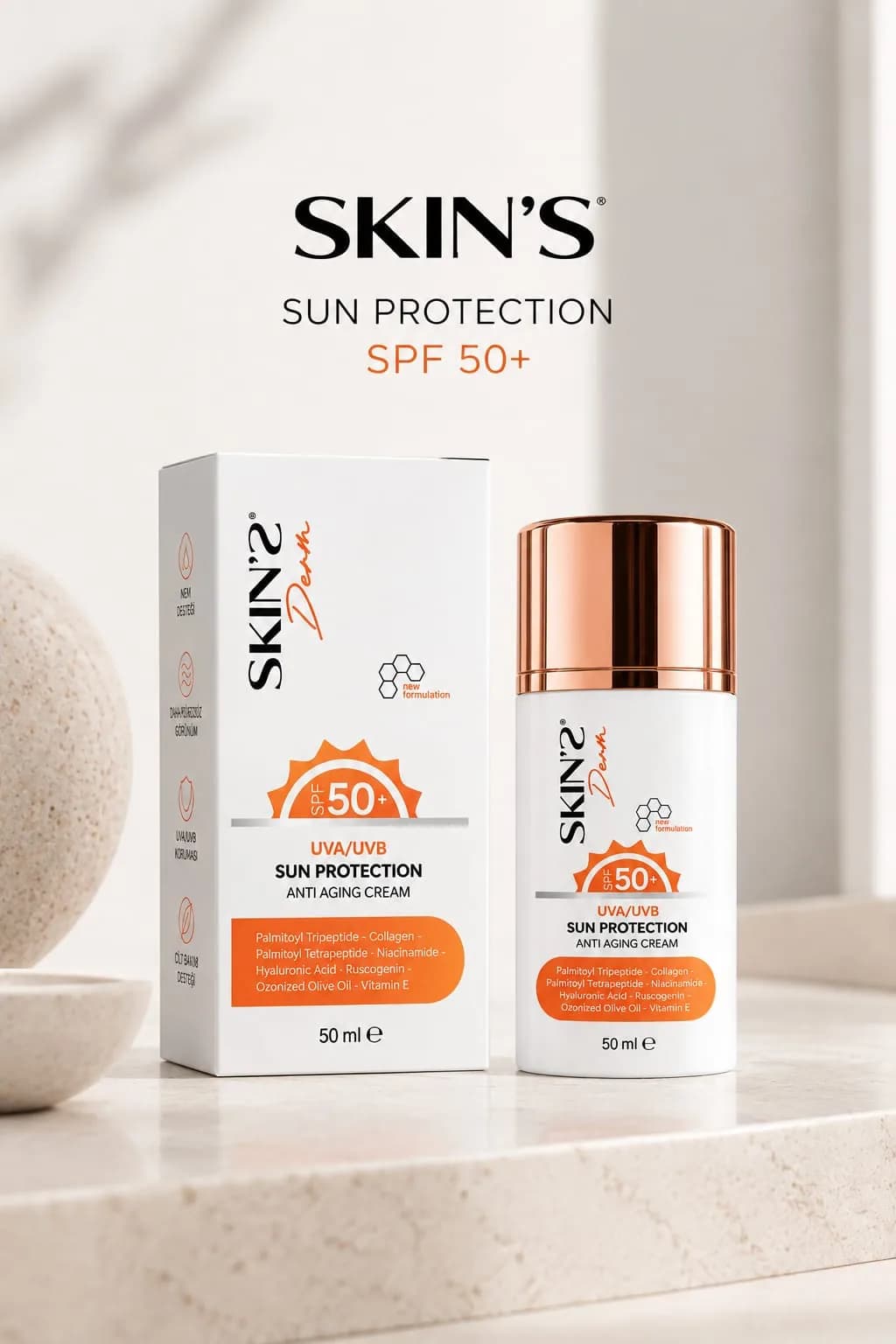
- Sunscreen (morning): SPF 50 Anti-Age Cream also contains niacinamide.
What can it be combined with?
- Vitamin C: Fine together. The "don't mix niacinamide and vitamin C" warning comes from old experiments with pure ingredients; it is not a problem in today's formulas.
- Retinol: A good pairing; niacinamide can help balance retinol's drying effect.
- Hyaluronic acid and ceramides: Strengthen hydration and barrier support.
- Acids (AHA/BHA): Can be used together; if your skin is sensitive, use them at different times.
When will I see results?
Changes in texture and shine can show within a few weeks. For dark spots and uneven tone, allow at least 8 weeks of regular use. For cleansing and toning steps, see the Cleansing range page.
Frequently asked questions
Can I use niacinamide every day?
Yes. Niacinamide is well tolerated and can be used every day, morning and night.
Is niacinamide the same as vitamin B3?
Niacinamide is a form of vitamin B3; you may also see it listed as nicotinamide.
Does niacinamide help with acne marks?
It can help reduce the look of dark marks left after breakouts. Regular use together with sun protection gives the best results.
Is niacinamide suitable for sensitive skin?
Most sensitive skin tolerates it well. Because high concentrations can cause redness in some skin, starting with a lower concentration is safer.
This article is for general information and is not medical advice. If you have a skin condition, persistent irritation or an allergy, see a dermatologist.